A Complete Guide to Choosing a Shikoku Pilgrimage Tour | How to Find a Bus Tour Even Beginners Can Join with Confidence
Last updated: July 31, 2026
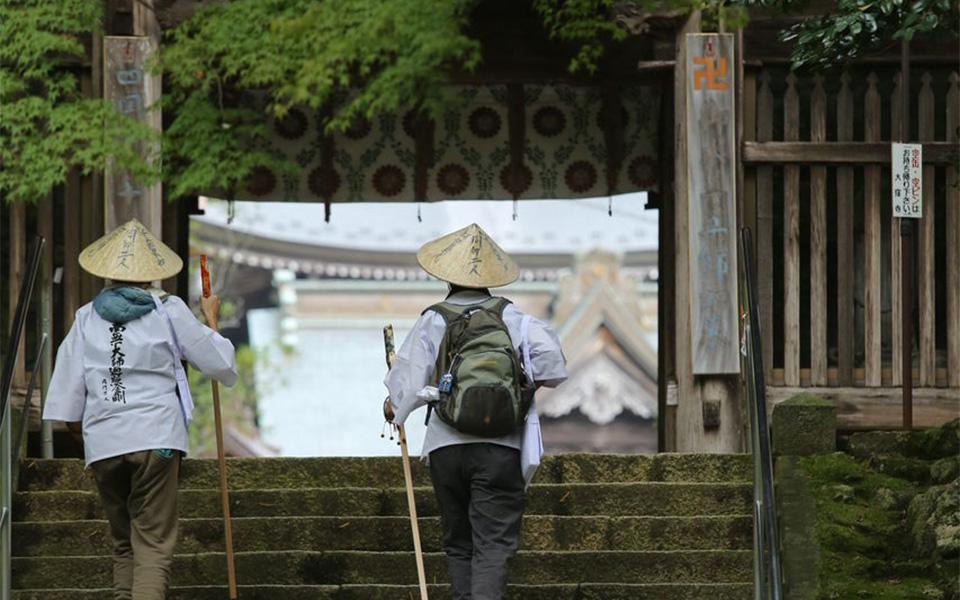
お遍路(イメージ)
約1200年前に開かれたとされる、日本の巡礼路「四国遍路」。
近年、「癒やし」や「自分探し」、「再出発」の旅として、日本国内外・老若男女問わず注目を集めています。
非常に人気の高い四国遍路ですが、言葉の壁や慣れない参拝作法への不安から、どのように計画を立てればいいか迷っている方も多いのではないでしょうか。
初めて四国遍路に参加する方にとって大切なのは、自分に合った安心できるプランを選ぶことです。本記事では、初心者でも安心して参加できる四国遍路ツアーの選び方を徹底解説します。
*This article was created for travelers planning to visit Japan, but readers in Japan may also find it useful.
-
What Is a Shikoku Pilgrimage Tour? Going Alone vs. Joining a Tour
-
【See It on the Map】An Overview of the 88 Temples of the Shikoku Pilgrimage
-
Five Points to Check When Choosing a Tour
-
Why Club Tourism's Shikoku Pilgrimage Tours Are Chosen
-
Recommended for First-Timers: The 2-Day Kochi Trial Tour
-
Frequently Asked Questions (FAQ) Before You Join
-
In Closing: With the Shikoku Pilgrimage, the Best Day to Start Is the Day You Decide
What Is a Shikoku Pilgrimage Tour?
Going Alone vs. Joining a Tour
What Is the "Shikoku Pilgrimage," a Route with 1,200 Years of History?
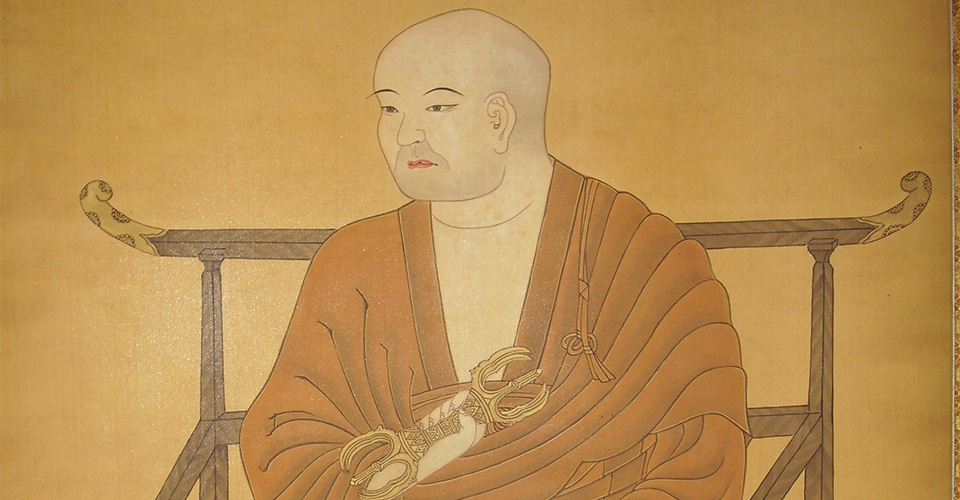
弘法大師・空海(写真提供:安楽寺/イメージ)
The Shikoku Pilgrimage is a grand pilgrimage journey said to have been opened about 1,200 years ago by the Japanese monk Kukai (Kobo Daishi), visiting 88 sacred sites (temples) across the four prefectures of the Shikoku region.
The full route runs about 1,400 km, and it is said that completing it honors one's ancestors, dispels one's worldly desires, and brings wishes to fulfillment. Since ancient times, people of every nationality and denomination have walked this path to fulfill a wish or to look at themselves anew.
Today it is also popular as a journey for praying for good health and for self-discovery.
Walking, Cycling, Driving, and Bus Tours
The Differences Between the Four Ways to Travel
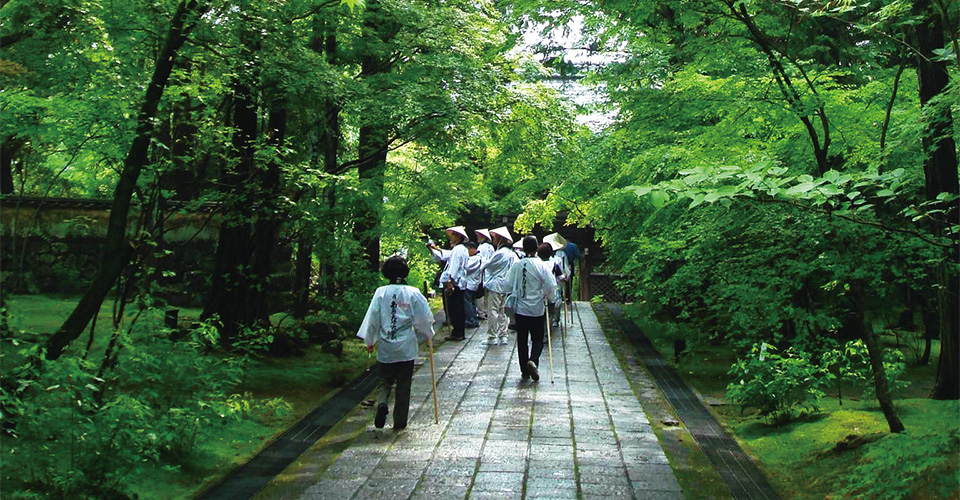
お遍路(イメージ)
There are roughly four ways to travel the Shikoku Pilgrimage: walking, cycling, driving, and joining a bus tour.
Walking (Walking Pilgrimage)
This is the traditional style, and it lets you feel Shikoku's nature and the warmth of local people most directly, with an exceptional sense of spiritual accomplishment. However, walking the full 1,400 km takes more than a month and demands considerable stamina, which makes it a very high hurdle for visitors from overseas.
bicycle
You can experience nature at your own pace while covering ground faster than on foot, which makes this popular with travelers who want an active trip. That said, Shikoku has many mountain roads and steep slopes, you are exposed directly to the weather, and detours are sometimes unavoidable, so long distances take more out of you than you might expect.
By Car (Private Car, Taxi, etc.)
You can travel efficiently regardless of the weather, so this suits people who want to make the most of their time.
However, many of the roads around the temples are narrow mountain lanes where passing oncoming vehicles is difficult. Driving in unfamiliar Japan carries a real risk of serious accidents and considerable mental strain for foreign travelers.
Bus Tour
You simply sit on a large coach driven by a professional driver, and it carries you safely and comfortably to the next temple, so there is no worry about stamina and no risk of getting lost. The itinerary is built with meal times in mind, which is reassuring. You can leave your luggage on the bus and visit the temples unencumbered. It is the most efficient and safest option, and the one we recommend most for beginners and travelers from overseas.
Three Reasons to Choose a Tour
① Reach even the toughest spots without getting lost - zero travel stress
Among Shikoku's temples are several notoriously difficult approaches known as henro-korogashi, reachable only over high mountain summits or along narrow, precipitous cliff roads. On a bus tour, professional drivers who know the local roads take you there safely, so there is nothing to worry about en route and you can conserve your energy on board.
② A certified sendatsu guide accompanies you, so you learn the proper etiquette and history
The Shikoku Pilgrimage has its own long-standing etiquette, with distinctive rules for how to offer incense and candles, how to present nosatsu name slips, and how to chant the sutras. On a tour run by a travel agency that specializes in the Shikoku Pilgrimage, you are accompanied by a Sendatsu (certified pilgrimage guide) recognized by the Shikoku 88 Temple Pilgrimage, who will patiently teach you the correct etiquette on site. They also explain each temple's history and highlights in detail, so you come away with a deep pilgrimage experience rather than mere sightseeing.
Sendatsu (certified pilgrimage guide): a person who has visited the Shikoku 88 temples at least four times (four full circuits), received a recommendation from a temple of the Shikoku 88 Temple Pilgrimage, and been approved as an officially certified sendatsu.
③ Leave all the complicated arrangements to us - just focus on your visit
If you go on your own, you face a mountain of preparation and scheduling: the order in which to visit the temples, accommodation for each night, securing meals.
On a bus tour, all of that is handled by the travel agency. There is also a service in which the tour conductor takes care of collecting your Goshuin red ink stamp, the proof of your visit to each shrine or temple, so you can focus on your visit without worrying about the language barrier.
【See It on the Map】An Overview of the 88 Temples of the Shikoku Pilgrimage
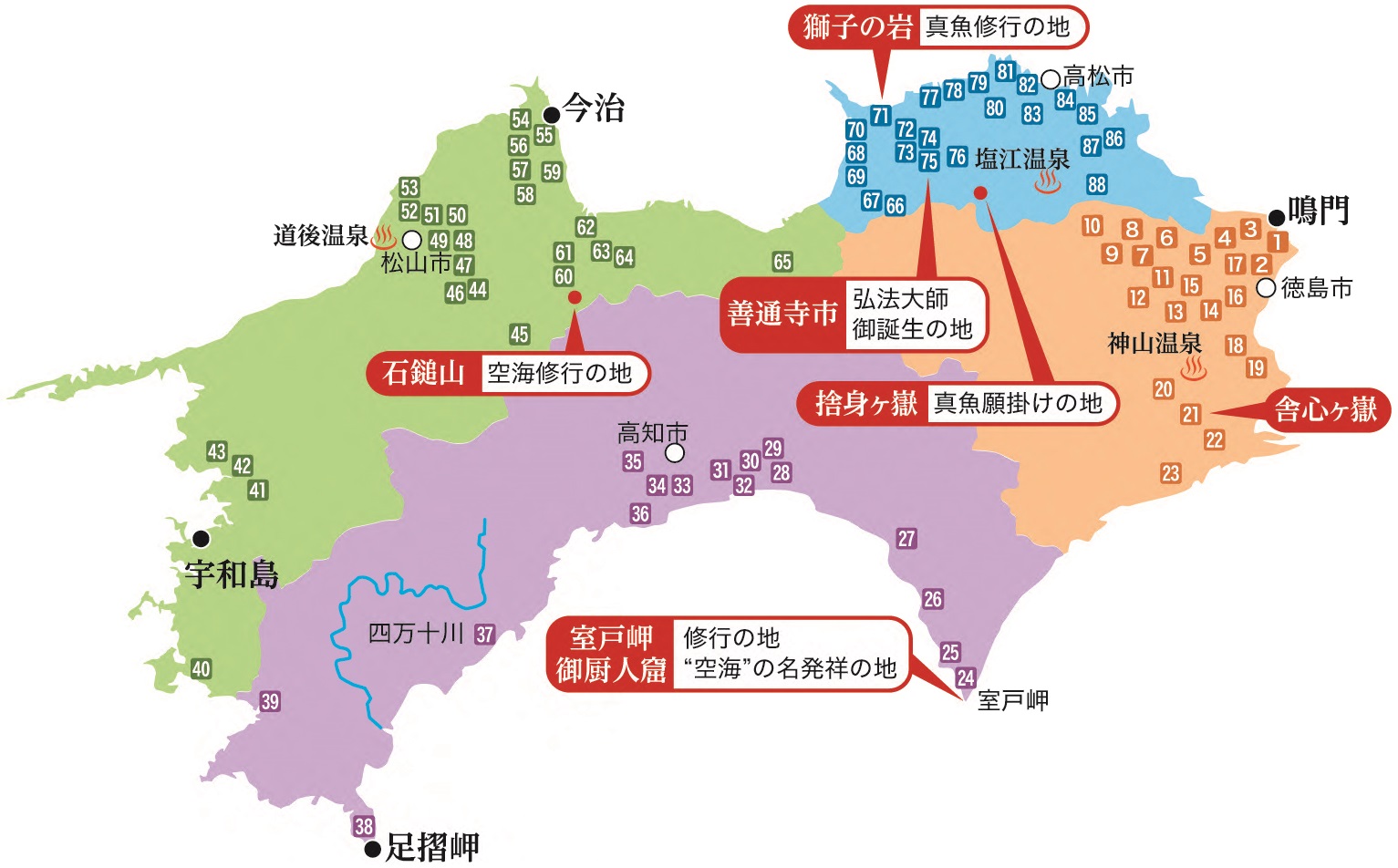
四国遍路マップ(イメージ)
Tokushima, Kochi, Ehime, and Kagawa
A Pilgrimage Route Through Four Prefectures
The Shikoku Pilgrimage route links the four prefectures of Japan's Shikoku region in a clockwise loop. In Buddhism, each prefecture carries the deeper meaning of one of the "four dojo," the stages of spiritual growth.
Tokushima Prefecture (Temples No. 1 to No. 23): 【The Dojo of Awakening】
The orange area on the map.
This is where, as you begin your pilgrimage, the wish to set out takes root and you resolve (hosshin) to look honestly at yourself.
Temple No. 23, Yakuoji, is the special head temple of the Koyasan Shingon school that brings the Dojo of Awakening to a close. It is also famous as a principal site for warding off misfortune, and visiting it makes your commitment to the pilgrimage feel more certain.
Kochi Prefecture (Temples No. 24 to No. 39): 【The Dojo of Ascetic Practice】
The purple area on the map.
This is where you confront yourself rigorously and train body and mind (shugyo). Long, undulating stretches of road continue here.
Ehime Prefecture (Temples No. 40 to No. 65): 【The Dojo of Enlightenment】
The green area on the map.
This is where you cut through the doubts and worldly desires you have carried, and attain a mind at peace (bodai).
Kagawa Prefecture (Temples No. 66 to No. 88): 【The Dojo of Nirvana】
The blue area on the map.
This is where all worldly desires fall away; you feel your own fresh start and everything you have experienced along the way, a new spirit rises within you, and you finally reach the state of enlightenment (nehan).
Sacred Sites Associated with Kukai Along the Route
Scattered along the pilgrimage route linking the 88 temples are legendary sacred sites deeply connected to Kukai's life.
Shashingatake at Tairyuji Temple (Tokushima Prefecture, eastern part of the map)
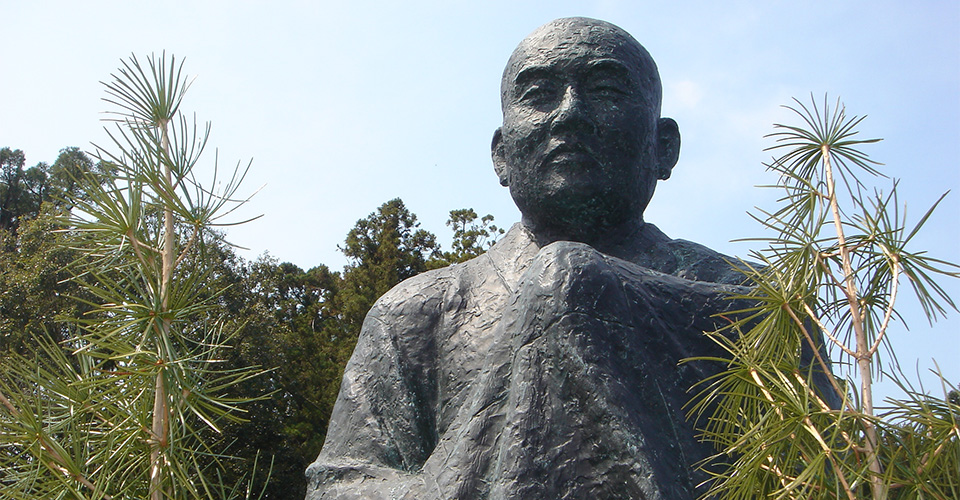
空海像(イメージ)
This sacred site sits on a sheer cliff where the young Kukai is said to have risked his life practicing the Kokuzo Gumonji-ho, an austerity for strengthening memory. A bronze statue of Kukai still stands atop the cliff, gazing into the distance.
Mikurodo Cave (Kochi Prefecture, southern part of the map)
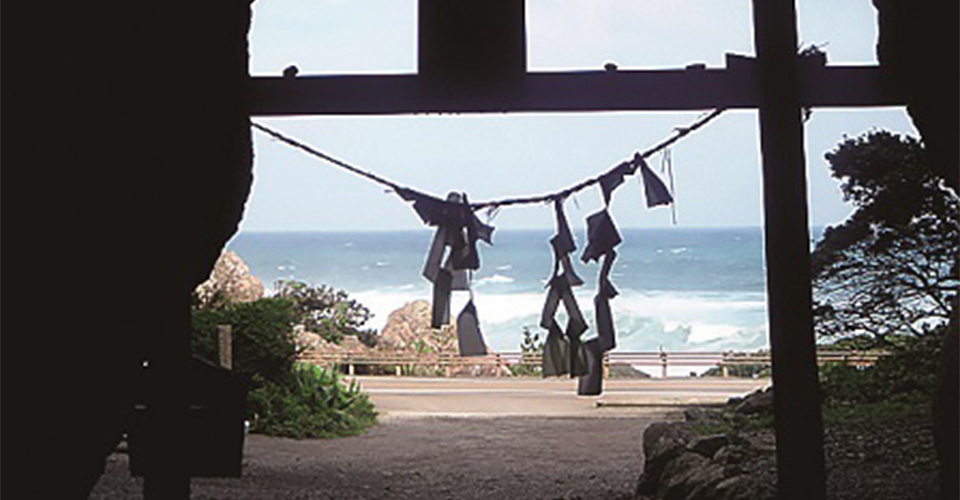
御厨人窟(イメージ)
This cave lies at the tip of Cape Muroto. Kukai had trained for 100 days at Shashingatake without attaining enlightenment, so he sought a place for further practice and came at last to Cape Muroto. Devoting himself to training in this Mikurodo Cave, he is said to have been captivated by nothing but the beautiful sky (ku) and sea (kai) framed by the mouth of the cave. From this he took the name Kukai, and the site is quite literally the birthplace of that name.
Zentsuji Temple (Zentsuji / Kagawa Prefecture, Northern Map)
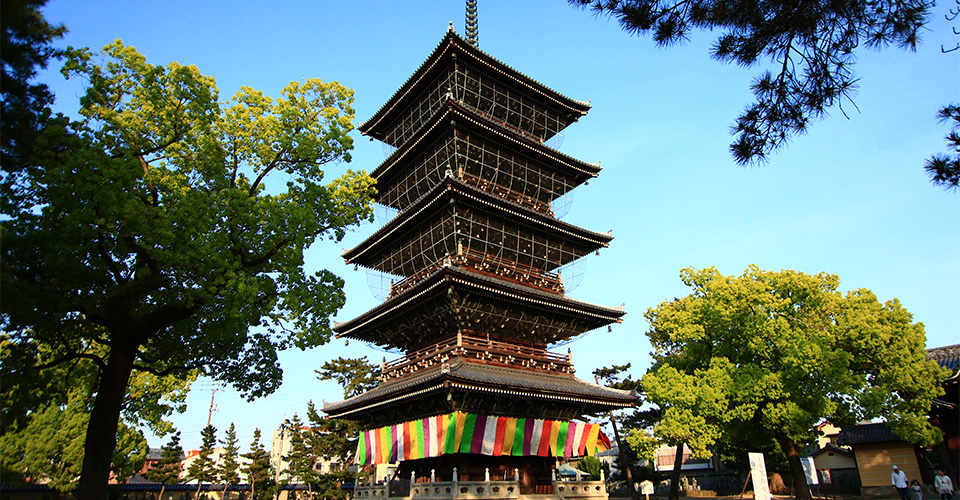
四国75番善通寺(重要文化財「五重塔」/イメージ)
This is Temple No. 75 and the birthplace of Kukai.
Within its vast grounds stands the Mieido Hall, said to mark the spot where Kukai was born, and the whole precinct is wrapped in a solemn atmosphere befitting the climax of a pilgrimage. The surrounding temples, No. 71 through No. 77, are especially regarded as sacred sites of Kukai's childhood.
Because a bus tour lets you visit these historic sacred sites efficiently and with in-depth commentary, giving you the true flavor of the pilgrimage, tours offered by travel agencies have become popular.
Five Points to Check When Choosing a Tour
If you are joining from overseas, be sure to check these five points when choosing a Shikoku Pilgrimage tour.
Point 1: Does a sendatsu guide accompany the tour?
Whether an officially certified sendatsu accompanies the tour is the single most important point. Sendatsu are professionals who know the pilgrimage inside out, and they will gently guide you through the correct etiquette and sutra chanting on site. On a Shikoku Pilgrimage tour with a sendatsu, even a first-timer never has to worry about protocol and can take in the deep appeal of the sacred route with complete peace of mind.
Point 2: Is language support available?
(For participants from overseas)
For participants from overseas, the language barrier is a major source of anxiety.
A pilgrimage in particular involves a great deal of specialized vocabulary, so it is worth choosing a tour accompanied by an interpreter.
Even without any Japanese, you can follow everything closely and with peace of mind.
Point 3: Full circuit or segmented pilgrimage - choose by your schedule
There are two ways to travel the pilgrimage: the full circuit, which covers all 88 temples in one trip, and the segmented pilgrimage (kugiri-uchi), which divides the route into several visits by area. Choose the tour that best fits your schedule, your fitness, and the number of days you can stay in Japan.
Point 4: Are the quality of accommodation and meals clearly stated?
Precisely because the pilgrimage is physically demanding, the quality of your rest matters.
The secret to a comfortable journey is choosing a tour that states clearly in advance where you will stay and what you will eat, whether that means historic shukubo temple lodgings, hot spring inns serving Shikoku's local specialties, or comfortable hotels.
Point 5: Does the tour stop at duty-free shops?
Unlike ordinary sightseeing tours, the best plans include no stops at duty-free shops that pressure you into buying souvenirs, so you can simply enjoy the pilgrimage and Shikoku's nature and culture. With no shopping time to worry about, you can spend your limited time on visiting the temples and looking inward.
Why Club Tourism's
Shikoku Pilgrimage Tours Are Chosen
Among the many travel agencies offering Shikoku Pilgrimage plans, there are reasons why Club Tourism's tours continue to be chosen by first-timers.
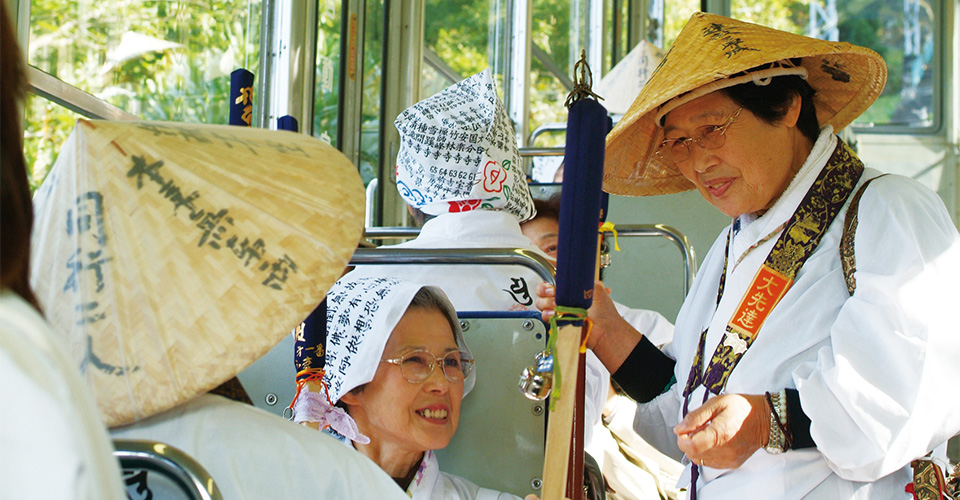
先達同行でめぐる四国遍路(イメージ)
The "Spiritual Tour" team, with over 40 years of experience
Club Tourism has a dedicated team called "Spiritual Tour," specializing in the Shikoku Pilgrimage, pilgrimages more broadly, and tours of sacred sites around the world. With more than 40 years of history and hard-won expertise behind it, the team offers Shikoku Pilgrimage tours that first-timers can join with complete peace of mind.
Supervised by: Nanae Yamamoto (Gon-chu Sendatsu, officially certified by the Shikoku 88 Temple Pilgrimage)

四国八十八ヶ所霊場公認 権中先達 山本七絵(イメージ)
ツアーの企画・構成は、四国八十八ヶ所霊場公認の権中先達であり、「こころの旅」のナビゲーターでもある山本七絵氏が監修しています。ただお寺をめぐるだけでなく、お遍路の真の魅力や精神世界を深く体感できるよう、細部までこだわり抜いて設計されています。
What Past Participants Say
"I had been interested in the Shikoku Pilgrimage but never found the right moment, so I kept putting it off. Then a friend recommended a tour and I joined. What is good about a group tour is that they teach you the etiquette you would never work out on your own, and you come away with all sorts of valuable experiences. The tour I joined was a special program that included things you do not normally get to do, which was another plus. For anyone doing the Shikoku Pilgrimage for the first time, I would recommend starting with a pilgrimage experience tour like this one."
"After visiting Koyasan last year I became interested in the Shikoku Pilgrimage, and a course that ① involved a moderate amount of walking and ② completed the circuit over six trips of four days felt ideal for me, so I signed up. I knew nothing about the pilgrimage at first, but my interest grew with every trip, and there was a real sense of walking the same path Kukai had walked. It was an enjoyable and deeply satisfying journey. Perhaps the blessing I received is that the pilgrimage taught me a heart of gratitude and consideration for others."
"I joined the Shikoku Pilgrimage to give thanks that my family and I have stayed in good health, and to pray for the prosperity of our descendants. The full circuit sounds long, but it is easier than going back and forth, and it went by surprisingly quickly. I was also impressed by how thoroughly the sendatsu explained each temple and how attentive the tour conductor was. I went with no knowledge at all, but I think I would have enjoyed it even more had I read up a little beforehand."
Recommended for First-Timers:
The 2-Day Kochi Trial Tour
The Sacred Site Where Kukai Attained Enlightenment
Begin Your Pilgrimage in Kochi
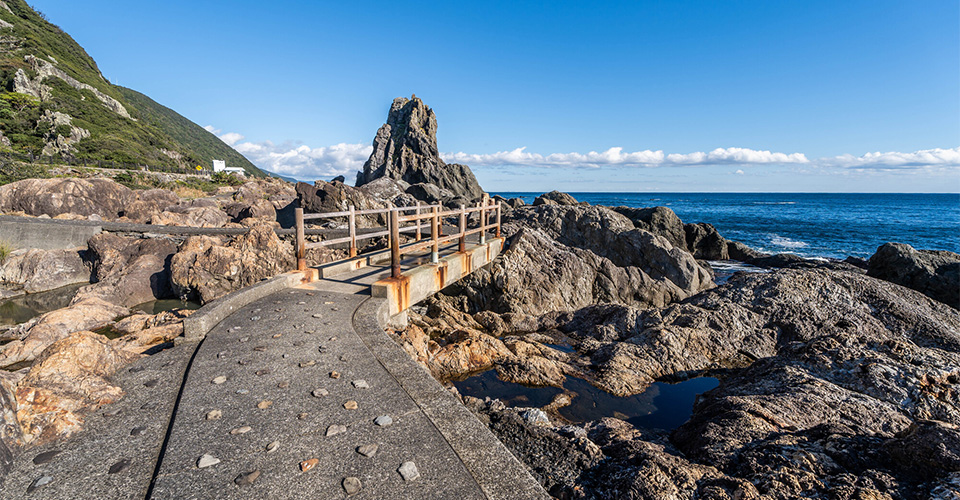
室戸岬(イメージ)
"I am interested in the pilgrimage, but setting out on a long journey right away feels like too big a step." For anyone who feels that way, Club Tourism has prepared a trial tour that lets you experience the essence of the pilgrimage over two days and one night.
The tour introduced here was designed by a sendatsu officially certified by the Shikoku 88 Temple Pilgrimage. It is an authentic pilgrimage experience, walking the very ground where Kukai attained enlightenment at the age of 19.
A National Government Licensed Guide Interpreter accompanies the group for both days, so you can relax even without any Japanese. The walking distances are short, too, making it easy to join even if you are not confident about your stamina.
●Tour name
Tour Number N8767: "Visiting Sacred Sites Associated with Kukai - A First Shikoku Pilgrimage Training Experience in Kochi, 2 Days" 【Meet and disband at Kochi Station】<Spiritual Tour>
Five Special Experiences Packed into Two Days
Kochi Prefecture is the area regarded on the Shikoku Pilgrimage as the Dojo of Ascetic Practice.
This tour visits sacred sites such as Cape Muroto, where the young Kukai is said to have trained and attained enlightenment. It meets and disbands at Kochi Station, so access is easy, making it an ideal itinerary for anyone taking a first step onto the Shikoku Pilgrimage.
The tour's greatest appeal is its "five special experiences." You do not simply visit temples; you experience the Buddhist world through all five senses.
Meditation at Chikurinji Temple
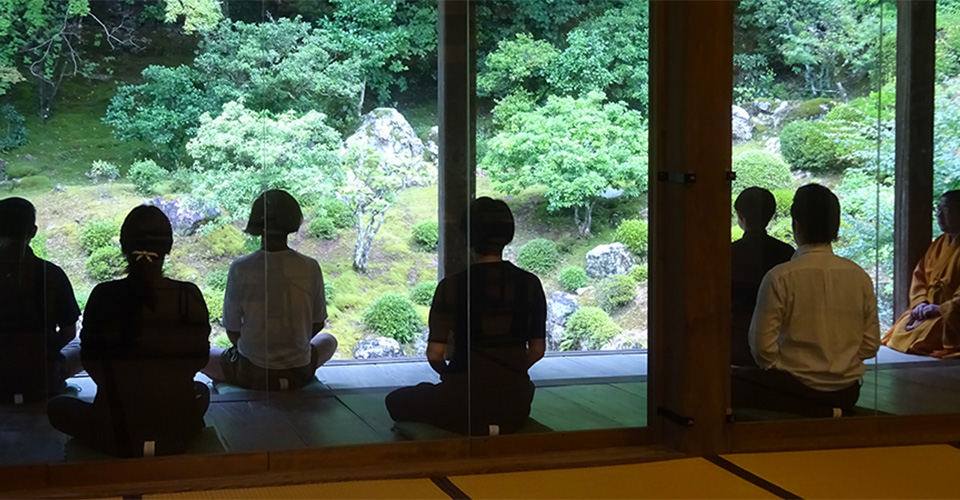
第31番札所「竹林寺」で数息観を体験(イメージ)
At Temple No. 31, Chikurinji, you will quiet your mind and meditate, facing yourself deeply.
On this tour you experience susokukan, a meditation practice that settles the mind by counting the breath.
In a hushed space looking out over a beautiful garden, you can forget the bustle of daily life and feel a clear, settled calm.
Making zuko (Incense powder for purification) at Zenrakuji Temple
At Temple No. 30, Zenrakuji, you can try one of the rarer experiences on the Shikoku 88 temple route: making zuko (Incense powder for purification).
You blend and hand-make the incense used before visiting a temple to purify body and mind.
Fragrance is said to have the power to settle and cleanse the heart. As you wear the scent you have made, you should feel your mind quietly preparing itself for the visit ahead.
Learning pilgrimage etiquette at three temples
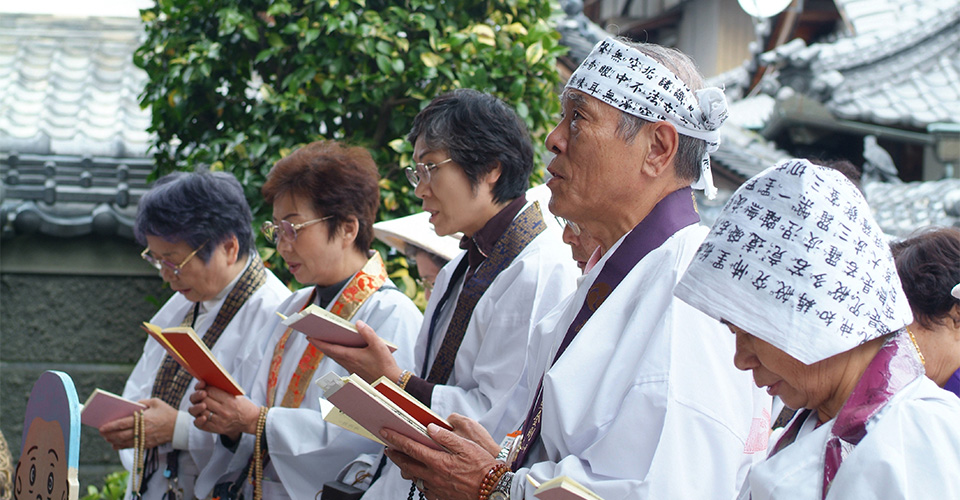
読経(イメージ)
At the three temples you visit on this tour, Hotsumisakiji, Shinshoji, and Kongochoji, you are taught and actually practice sutra chanting and pilgrimage etiquette.
It does not matter if you do not understand what the sutras mean. Reading them with your eyes, not only aloud, is itself considered an important practice for composing the mind and receiving blessings.
Paying your respects in the correct manner is what makes the meaning of a formal pilgrimage real to you.
The 800 m Cape Muroto walk and Mikurodo Cave, the site of enlightenment
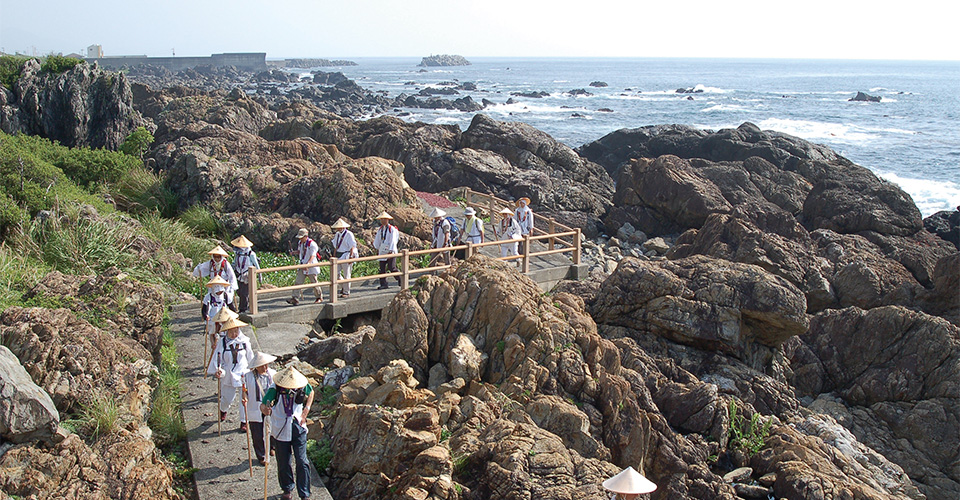
室戸岬800mウォーク(イメージ)
Around Cape Muroto, where Kukai is said to have attained enlightenment, you walk about 800 meters (roughly 40 minutes) with a local guide.
From the majestic sweep of the Pacific and the sound of the waves to the dramatic rock formations, you feel first-hand the same natural energy Kukai once gazed upon.
With every step, you should sense yourself drawing a little closer to the state of mind of the Kukai who spent time here 1,200 years ago. The true appeal of the Shikoku Pilgrimage only becomes visible when you stand in these places and walk them yourself.
A Dharma talk from the chairman of the Shikoku 88 Temple Pilgrimage
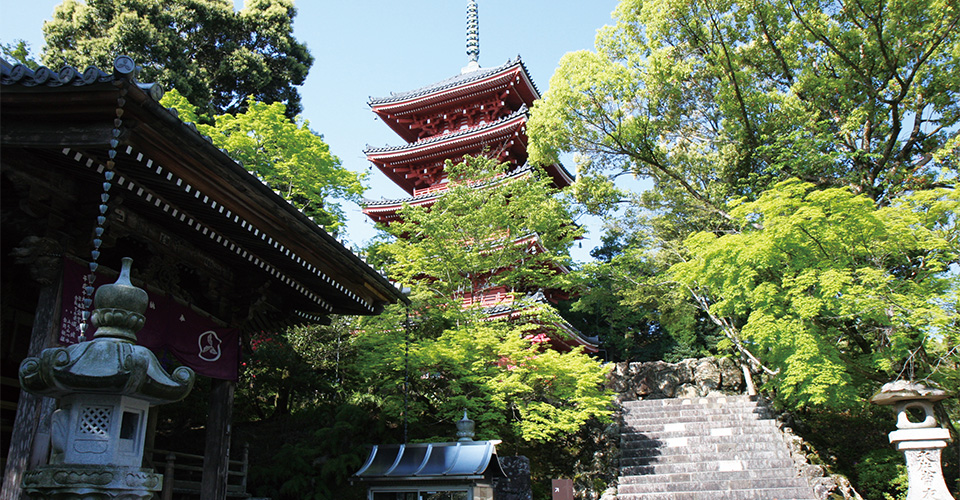
第31番札所「竹林寺」(イメージ)
You will hear a rare Dharma talk from the chairman of the Shikoku 88 Temple Pilgrimage, who is also the chief priest of Temple No. 31, Chikurinji.
The chief priest also serves as an instructor for sendatsu training and is a gifted speaker. He has given Dharma talks to many pilgrimage beginners, and his clear, accessible style is widely praised. This special talk should make for a genuinely instructive time.
A specialist guide and a National Government Licensed Guide Interpreter provide commentary, so there is nothing to worry about if you do not understand Japanese.
This Tour Is Recommended For
● Anyone interested in the Shikoku Pilgrimage who would like to try it on a shorter schedule first
● Anyone looking for a journey that offers something different from sightseeing, a chance to look at themselves anew
● Pilgrimage beginners who want a specialist sendatsu to teach them visiting etiquette, sutra chanting, and meditation carefully from the basics
● Participants from overseas
● Anyone who wants to enjoy sacred sites deep in the mountains and special experiences that are hard to reach alone, safely and comfortably on an agency-run tour
What to Know Before You Join
Frequently Asked Questions (FAQ)
Q. Do I need to learn the etiquette in advance?
A. No, there is no need to memorize anything beforehand. A sendatsu, a specialist in the pilgrimage, and a tour conductor accompany the tour. When you arrive at each temple, they demonstrate and explain clearly how to offer incense, how to present your nosatsu name slip, when to place your hands together, and so on, so you can learn as you go and visit alongside everyone else.
Q. What should I wear and bring?
A. Comfortable clothes you can move in and shoes you are used to walking in, such as sneakers, are all you need. Pilgrimage items such as the white over-garment and staff that symbolize the pilgrimage can be bought at the temples you visit during the tour, or ordered when you book. There is no need to gather everything at once; you can prepare at your own pace.
Q. How do I receive a Goshuin red ink stamp?
A. On the Shikoku Pilgrimage you receive a Goshuin red ink stamp (calligraphy in ink with a vermilion seal) at each temple, in a dedicated book called a Nokyocho (sutra dedication stamp book). On the tour, the tour conductor collects participants' Nokyocho (sutra dedication stamp book) in advance and handles the paperwork at each temple's sutra office in one go. Since you do not have to queue at the counter yourself, you can spend your precious time at the temple unhurried.
Q. Can I join if I do not speak Japanese?
A. Yes, you can join without any Japanese.
On the tour introduced here, a National Government Licensed Guide Interpreter accompanies the group for both days and interprets the monks' Dharma talks as well. Materials in traditional Chinese are also provided, so even if you understand no Japanese at all you can follow along with confidence.
In Closing: With the Shikoku Pilgrimage, the Best Day to Start Is the Day You Decide
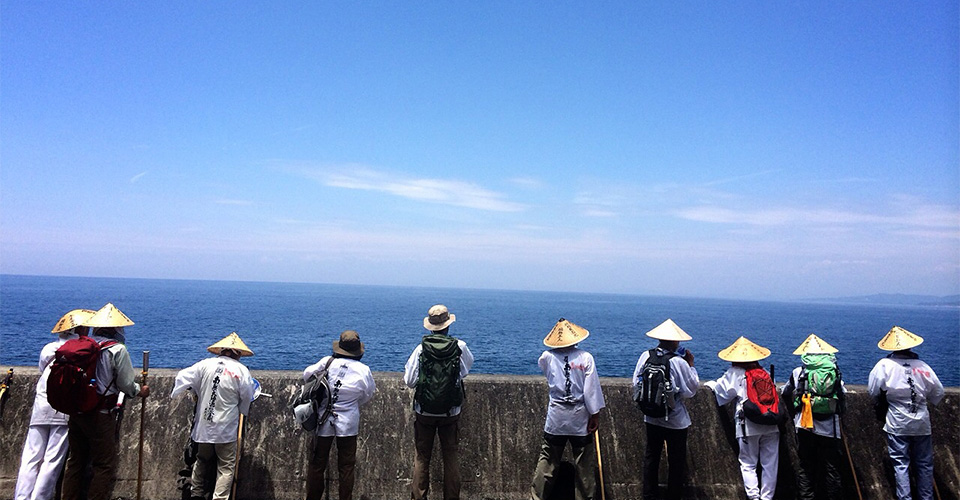
海を望むお遍路さん(イメージ)
From Nanae Yamamoto, Gon-chu Sendatsu officially certified by the Shikoku 88 Temple Pilgrimage and navigator for "Spiritual Tour"
Club Tourism was a pioneer among Kanto travel agencies in offering pilgrimage travel, and for more than 40 years it has done so; I plan and run these journeys as part of its pilgrimage team, "Spiritual Tour."
I am grateful for the connections I have made with so many people, and I accompany participants on our pilgrimage tours every day.
It was the pilgrimage that made me realize that meeting people and forming new connections is not chance but something that was always meant to be.
Some people say the pilgrimage is something they want to do once in their lifetime. But to discover what makes it special, the best day to begin is the day you decide. I would love for you to take that first step.
The pilgrimage is a journey you can only come to know by experiencing it, and I believe the time you spend on it will become a treasure of your life.
Give it your time and your body, act on the impulse, and the blessings will follow. It is sure to be a journey that fills your heart.
The Shikoku Pilgrimage is a popular Japan Heritage site that draws visitors from around the world. Please do come and experience it for yourself.
Club Tourism official LINE, WhatsApp, Facebook, Instagram
Follow us to get tips for traveling in Japan




-
The content is current as of the time of publication. Please check the official website for the latest information.
 Related articles
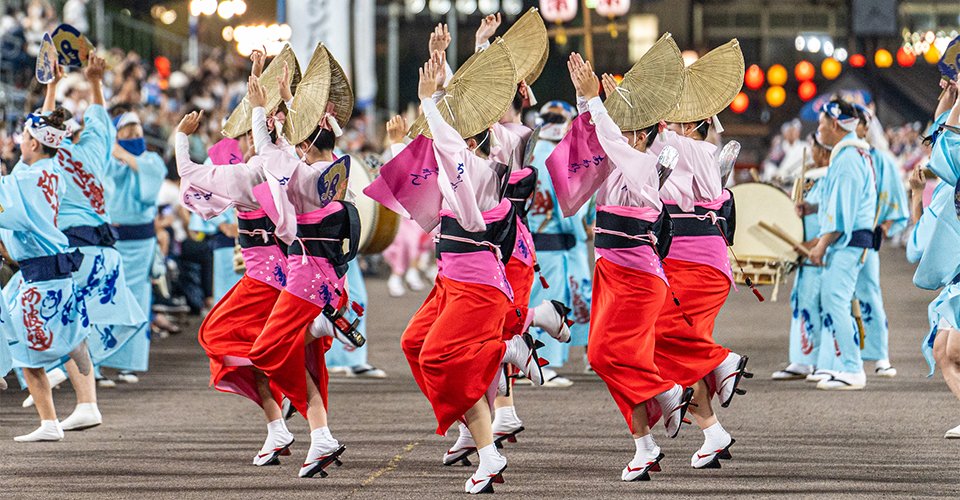
日本の夏祭り完全ガイド|徳島阿波おどり2027 日程・演舞場・観覧チケットの取り方を徹底解説
「踊る阿呆に、見る阿呆、同じ阿呆なら踊らにゃ損々」のフレーズが街中に響き渡る――。
阿呆と…
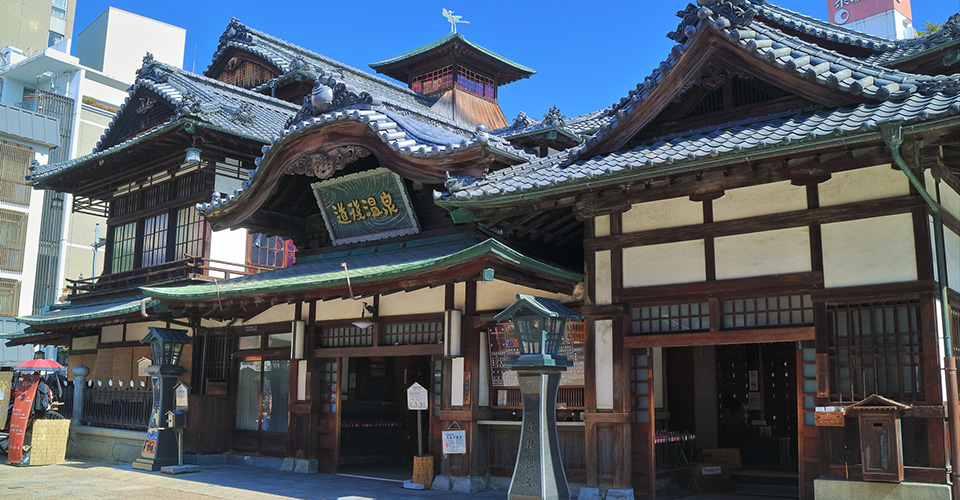
Check out the non-standard items! 15 Ehime souvenirs
Ehime Prefecture is famous for Dogo Onsen and its famous mandarin oranges. But that's not all! We'll introduce you to some recommended souvenirs from Ehime Prefecture.
Packed with unique attractions! 15 must-see tourist spots in Tokushima
Tokushima is known for its Awa Odori dance, but that's not all! There are many spectacular sights created by nature, such as whirlpools and whirlpool roads.
A town that lives hand in hand with Shimanto River! Top 10 sightseeing spots in Shimanto City
There is no large dam, and the Shimanto River retains its ancient appearance. Shimanto City lives with such "Japan's last clear stream"...
Search by area
Domestic
Search by keyword
- Solo Travel
- Girls' trip
- family trip
- Couple's trip
- Goshuin (temple stamp)
- history
- Shrines and temples
- Pilgrimage
- art
- music
- famous castle
- Spectacular views
- world heritage
- Entertainment
- Gourmet
- hot spring
- island trip
- Cycling and skiing
- Festival
- History and Roads
- souvenir
- museum
- power spot
- Night view
- Railway
- Mountain climbing and hiking