About 2 Hours from Tokyo by Shinkansen! An In-Depth Guide to Fukushima's Top Cherry Blossom Spots: Miharu Takizakura, Hanamiyama Park & the Nicchu Line Weeping Cherry Trees
Updated: Apr. 30, 2026

三春滝桜(イメージ)
福島県は日本有数の広さを誇り、地理的に三つの地域に分けられます。
西部の会津地方は山地が多く、盆地では雪解け後に桜が咲き、鶴ヶ城などで比較的遅い花見が楽しめます。
中央に位置する中通りは阿武隈高地と奥羽山脈に挟まれた平野が広がり、福島市や郡山周辺では春の到来とともに桜が一斉に開花します。
太平洋に面した浜通りは比較的温暖な気候のため、県内で最も早く桜の季節を迎えます。
この起伏にとんだ地形により、桜前線を長く楽しめる点が福島県の大きな魅力です。
今回はそんな福島県の桜名所の中でも、特に特徴的な「三春滝桜」を中心に、「日中線しだれ桜並木」「花見山公園」の3カ所について深掘り。日帰りで福島桜巡りを実現するための注意点や効率よく巡るためのツアーの紹介まで解説します。
*This article was created for travelers planning to visit Japan, but readers in Japan may also find it useful.
-
Why We Recommend Fukushima's Cherry Blossom Spots
-
Miharu Takizakura, Nicchu Line Weeping Cherry Trees, and Hanamiyama Park | Highlights of the 3 Spots
-
Access from Tokyo by Train and Bus | How to Get to Each Spot
-
To Visit All 3 Spots Without the Hassle of Getting Around, Consider a Day Tour
-
Frequently Asked Questions | Fukushima Cherry Blossom Trip (FAQ)
-
Summary | Visit All 3 of Fukushima's Impressive, Buzzworthy, and Magnificent Cherry Blossom Spots in One Go! A Day Tour Makes It Possible!
Why We Recommend Fukushima's Cherry Blossom Spots
Very Easy Access from Central Tokyo
Fukushima is easy to reach, about 2 hours from Tokyo by Shinkansen or about 3 hours by car. Even travelers who dislike long journeys won't find it a burden, and it's easy to visit on a day trip or short stay.
Yet once you arrive, vast nature, huge cherry trees, and quiet countryside spread out before you, letting you savor a "special travel feeling" completely different from Tokyo.
Cherry Blossom Scenery on a Grand Scale
What sets Fukushima's famous cherry blossom spots apart is the sheer expanse of the scenery.
From massive single trees like Miharu Takizakura, Fudozakura, and Ishibezakura, to landscapes where an entire hill is dyed pink and yellow like Hanamiyama, to endless cherry blossom tunnels like the Nicchu Line Weeping Cherry Trees, cherry blossoms fill your entire field of view.
Rather than cherry blossoms seen as "points" like in Tokyo's parks, these are cherry blossoms you enjoy as "surfaces" and "spaces." With a sense of scale that won't fit in a photo, they offer a special experience that feels like stepping into a world of cherry blossoms.
Miharu Takizakura, Nicchu Line Weeping Cherry Trees,
and Hanamiyama Park | Highlights of the 3 Spots
Miharu Takizakura | Fukushima's Best-Known Cherry Tree.
The Overwhelming Presence of a 1,000-Year-Old Tree, One of Japan's Three Great Cherry Trees (Magnificence)

三春滝桜(イメージ)
Miharu Takizakura is a beni-shidarezakura (pink weeping cherry) of the Edo higan lineage that is more than 1,000 years old. In 1922, it became the first cherry tree to be designated a National Natural Monument, and it is one of Japan's most celebrated trees. Countless pale pink blossoms hang from branches spreading widely in all directions, looking just like a cascading waterfall, which is why it is called "Takizakura" (waterfall cherry tree). The sight of this giant tree, about 13 m tall with branches spreading up to 14 m, covered entirely in pink is simply breathtaking.
In addition, the rapeseed flowers spreading around its base create a collaboration where the soft pink of the cherry blossoms meets the vivid yellow of the rapeseed, giving photos colors just like a painting. For travelers who care about social media-worthy shots, this is a perfect photo spot.
During the blooming period, the tree is also illuminated at night from 18:00 to 21:00, letting you enjoy a magical look different from the daytime.
Nicchu Line Weeping Cherry Trees | A Cherry Blossom Spot That Became Popular
with the Rise of Social Media and Is Still New Even to Japanese People (Buzzworthiness)

日中線しだれ桜並木(イメージ)

SLと桜のコラボレーションも(イメージ)
This is one of Fukushima's finest cherry blossom spots, where about 1,000 weeping cherry trees bloom along an approximately 3 km promenade built on the abandoned route of the former JNR Nicchu Line.
It is known for the "sense of story" created by its unique setting on a disused railway line and the impressive sight of blossoms hanging down overhead, offering ever more beautiful scenery the farther you walk.
Because the branches hang down low, another reason for its popularity is how easy it is to capture a "social media-worthy shot" of a pink curtain filling the frame by stepping to the edge of the path and zooming in.
The contrast between the black body of the steam locomotive (SL) partway along the row and the deep pink blossoms is another signature shot.
Hanamiyama Park | Grown by One Flower-Loving Japanese Man
and Passed Down Ever Since: "Fukushima's Shangri-La" (Impressiveness)

花見山公園(イメージ)
Hanamiyama is a hill of flowering-tree fields that the Abe family, flowering-tree growers, have cultivated for more than 70 years. In spring, cherry blossoms, flowering peach, forsythia, Japanese quince, magnolia, and more bloom all at once, creating a unique landscape where the entire hill is dyed in multicolored layers.
Hanamiyama has 3 walking courses of 30, 45, and 60 minutes, so you can choose one to suit your stamina and schedule.
From the Summit Observation Area, the highlight of the 60-minute course, you can take in a panoramic view of central Fukushima City, the Fukushima Basin, and the Azuma Mountains, where the vibrant colors of the flower-covered hill overlap with the majestic mountain range in "Hanamiyama's most open, spectacular view."
Access from Tokyo by Train and Bus |
How to Get to Each Spot

福島桜マップ(イメージ)
Miharu Takizakura
By car… The most common route is north on the Joban Expressway → Iwaki JCT → exit at Funehiki-Miharu IC. It takes about 180 minutes from Tokyo to Miharu Takizakura, and during the cherry blossom season you can use the large Takizakura parking lot (about 850 spaces, free). It gets very crowded, so it's best to aim to arrive in the morning.
By train/bus… About 110 minutes from Tokyo Station to Koriyama Station by Tohoku Shinkansen. Transfer to the Ban-etsu East Line and ride about 15 minutes to Miharu Station. During the blooming season, the temporary "Takizakura-go" bus runs and gets you there in about 15 minutes.
Nicchu Line Weeping Cherry Trees
By car… Head north on the Tohoku Expressway, switch to the Ban-etsu Expressway (toward Aizu) at Koriyama JCT, and exit at Aizu-Wakamatsu IC. From there, it takes about 30 minutes to reach the parking lot near the trees.
By train/bus… As with Miharu Takizakura, take the Tohoku Shinkansen to Koriyama Station and transfer to the Ban-etsu West Line. Get off at Kitakata Station (about 80 minutes) and walk about 10 minutes.
Hanamiyama Park
By car… From Fukushima-nishi IC on the Tohoku Expressway, take National Route 115 toward central Fukushima City and merge onto National Route 4. About 180 minutes from Tokyo. *During the blooming season, private cars are not allowed around Hanamiyama, so use the shuttle bus from the temporary parking lot (environmental maintenance contribution required: 500 yen round trip).
By train/bus… About 120 minutes to Fukushima Station by Tohoku Shinkansen. Take the temporary "Hanamiyama-go" bus and arrive in about 15 minutes.
Tips for Touring by Car from Tokyo
If you travel from Tokyo by car, traffic jams and crowds may keep you from sticking to your schedule, possibly cutting your time at sightseeing spots or even forcing you to change destinations.
We recommend taking the Shinkansen to a major station and renting a car near the nearest station. You avoid Tokyo's traffic, can plan your time more reliably, and won't be worn out by long-distance driving.
However, finding a parking space at each cherry blossom spot can be a real struggle. You may have to wait as long as an hour to get into a public parking lot, so allow plenty of extra time.
To Visit All 3 Spots Without the Hassle of Getting Around,
Consider a Day Tour
Considering the time spent getting around and sitting in traffic, a day tour is another option.
The tour I joined this time took a sightseeing bus from Koriyama Station on a route covering the 3 main spots: Miharu Takizakura, the Nicchu Line Weeping Cherry Trees, and Hanamiyama. With a sightseeing bus, parking is reserved in advance, so another appeal is being able to pull in stress-free while private cars sit in line waiting for parking.
We had a solid 60 minutes or more at each spot, so I was able to enjoy plenty of cherry blossom viewing.
Benefits of a Day Tour
The biggest advantages are shorter travel times and avoiding the crowds.
Many plans also include lunch, so you won't have to worry about where to eat.
Depending on the course, some tours also include fruit picking or all-you-can-fit-in-a-bag experiences.
Tour Name & Itinerary
[Tour Name]
"With a 'Miharu Takizakura Bento' Lunch! A Fukushima Cherry Blossom Journey: Miharu Takizakura, Nicchu Line Weeping Cherry Trees & Hanamiyama Park"
[Itinerary (Day Trip)]
● Depart Shinjuku and take the Tohoku Shinkansen to Koriyama Station
● Transfer to a bus at Koriyama Station and head to Miharu Takizakura
● View the Nicchu Line Weeping Cherry Trees
● Stroll around Hanamiyama Park
A Day on the Tour
We departed Shinjuku at 7:30 and took the Tohoku Shinkansen to Koriyama Station.
Along the way, you can sit back and watch the city scenery give way to peaceful countryside.
At Koriyama Station, we transferred to a bus and headed to the Miharu Takizakura viewing site.
The rows of cherry trees we passed along the way were also at their best, building our anticipation for the Takizakura even more.
Miharu Takizakura

三春滝桜(イメージ)

滝桜はまるで流れる滝のように見えます(イメージ)

桜の見頃期間は売店も並びます(イメージ)
We arrived at the Miharu Takizakura site. Even though it was only around 9:30, there was already a long line at the entrance gate... Thanks to a tour privilege, we were able to enter smoothly through a dedicated entrance without waiting in line.
Following the staff's directions, within about 10 minutes a breathtaking lone cherry tree appeared before our eyes.
A one-way loop path circles between the Takizakura and the rapeseed flowers, so anyone who follows the flow of people can see its beautiful, waterfall-like branches up close.
Shops also line the viewing route, with about 20 stalls selling items such as Miharu Age (fried tofu), a Miharu specialty; Usukawa Manju, a Fukushima specialty; and soft-serve ice cream made with local fruit.
Nicchu Line Weeping Cherry Trees

日中線しだれ桜並木(イメージ)

レトロな観光シャトルバス(イメージ)
Around 10:30, we left the Miharu Takizakura site for our next destination, the Nicchu Line Weeping Cherry Trees.
Taking the Ban-etsu Expressway, we arrived in about 70 minutes.
Here, too, we had a full 60 minutes to walk around, so we could take photos from all sorts of angles. The curtain-like composition of weeping cherry trees often seen in advertisements is easier to capture if you move to the northern area, where the trees are densely packed.
Around the cherry trees, a sightseeing shuttle bus using a retro bonnet bus registered in the Showa 40s (1965–1974) also runs for a limited time. Sightseeing announcements are made on board.
Miharu Takizakura Bento

「三春の滝桜弁当」(イメージ)
On the bus, some people were eating the limited-time "Miharu Takizakura Bento" handed out to us.
The bento is packed with the flavors of spring. It looks luxurious, too, and really whets your appetite.
Hanamiyama Park

花見山公園(イメージ)

桜と菜の花の競演も(イメージ)
After meeting back at 13:00, we headed straight for Hanamiyama Park.
After the bus ride, we arrived at the Hanamiyama Park temporary parking lot around 15:00.
The roughly 15-minute approach from the parking lot to the park entrance is one of the scenic highlights.
Forsythia, peach blossoms, and rapeseed flowers bloom on both sides of the road, and colorful flowers overflow even in the gardens of private homes.
Inside the park, there are walking routes you can choose according to your stamina and purpose.
There are 30-, 45-, and 60-minute options, and from the Summit Observation Area on the 60-minute course, you can see flowers of many colors in full bloom against a backdrop of snow-capped mountains and the city.
Best Time to See Cherry Blossoms and Blooming Periods
● Miharu Takizakura… Usually begins blooming in early Apr. and is at its best from early to mid-Apr.
● Nicchu Line Weeping Cherry Trees… Usually begins blooming in mid-Apr. and is at its best from mid- to late Apr.
● Hanamiyama Park… Various flowers are at their best from early Mar. to early May every year
Frequently Asked Questions | Fukushima Cherry Blossom Trip (FAQ)
About Miharu Takizakura
Q: Do I need a reservation to see Miharu Takizakura?
A: No reservation is needed. During the blooming period, there is an admission fee of 500 yen for adults (free for junior high school students and younger).
Q: When is the best time to see the cherry blossoms?
A: The tree usually starts blooming in early Apr. and reaches full bloom around mid-Apr.
Q: When is it most crowded?
A: During the peak period from early to mid-Apr., it is crowded all day, especially on weekends and holidays. The busiest times are 10:00–15:00, and 18:00–20:00 during the illumination.
Q: What is the weather and temperature like during the best time to see Miharu Takizakura?
A: The weather in early to mid-Apr., when the blossoms are at their best, is typically mild and stable for spring. However, while daytime temperatures are often around 17°C, mornings and evenings can drop to 5–7°C.
About the Tour
Q: Can children and seniors participate?
A: Yes. People of all ages can participate. Since you travel by bus during the tour, you won't walk for long. We warmly welcome children and seniors to join us.
About Meeting and Departure
Q: After booking, how can I check the meeting point and time?
A: After booking, you can check "Meeting point," "Meeting time," and "Emergency contact" on My Page. Before departure, you can also view "the Tour Program (Tabi no Shiori)" online.
About Luggage
Q: Can I bring a suitcase on the tour?
A: When traveling by bus, there is space for luggage, so you can bring a suitcase. However, please keep large suitcases to about two per person.
About Language Support
Q: Can I join even if I don't speak Japanese?
A: Yes. Tours are conducted in Japanese, but important information is provided in English and Traditional Chinese using AI translation devices and written materials. Tour conductors and drivers also use translation apps, so there is no need to worry about language.
About Payment
Q: What is the payment method and currency?
A: Payment is made online by credit card in Japanese yen. The exchange rate follows your card company's rules. Payment is required immediately at the time of booking.
About Local Support
Q: Do you have physical stores in Taiwan or other countries?
A: In Taiwan, KNT Taiwan is the general agent for Club Tourism. For inquiries in Taiwan, please contact KNT Taiwan.
Travelers in Taiwan can book through our general agent in Taiwan, KNT Taiwan (Taiwan Kinki International Travel Agency).
Online booking: https://www.knt-taiwan.com/contact.php
Phone booking: 02-87717551 (Mon–Fri 09:15–18:00, excluding holidays)
Email: info@knt-taiwan.com
Summary | Visit All 3 of Fukushima's Impressive, Buzzworthy, and Magnificent Cherry Blossom Spots in One Go! A Day Tour Makes It Possible!

三春滝桜(イメージ)
The biggest features of Fukushima Prefecture's famous cherry blossom spots are their diverse scenery and grand scale, with different types of famous spots dotted throughout the prefecture.
Another attraction is that, thanks to differences in elevation and the prefecture's vast area, the best time to see cherry blossoms lasts about a month, from late Mar. to late Apr.
Why not join an easy tour to see spectacular scenery that is a little different from the cherry blossoms in Tokyo?
Club Tourism official LINE, Facebook and Instagram
Follow us to get tips for traveling in Japan



-
The content is current as of the time of publication. Please check the official website for the latest information.
 Related articles

12 Must-See Tourist Spots in Fukushima
Fukushima Prefecture is known for its magnificent nature, including Mt. Bandai, the beautiful color-changing Goshikinuma Ponds, and walks around Jododaira and Oguninuma Pond, as well as sightseeing…
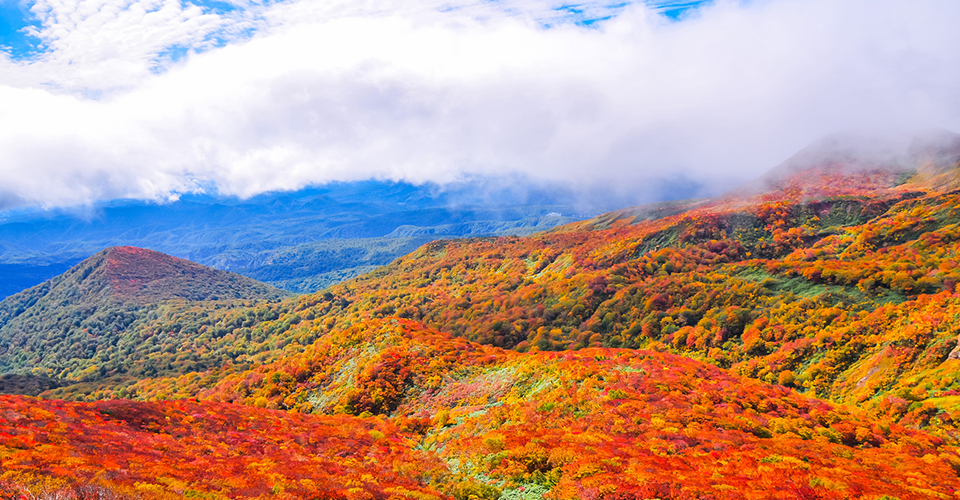
Autumn Leaves at Mt. Kurikoma, a Famous Spot in Tohoku | An Approx. 90-Minute Hike with No Heavy Gear and Onsen with Spectacular Views [Experience Report]
Japan's Tohoku region is home to a famous autumn foliage spot where entire mountainsides turn red and yellow. It lies where Miyagi, Iwate, and Akita…
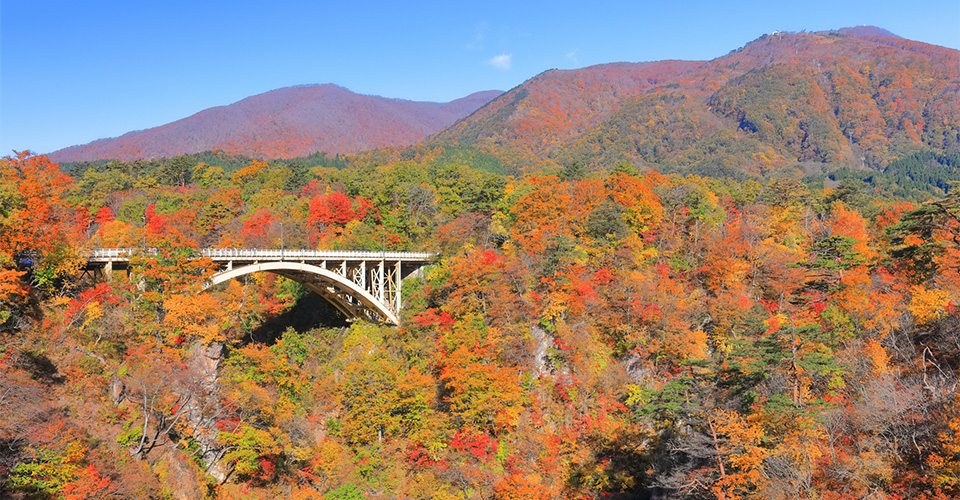
Complete Guide to Naruko Gorge Autumn Leaves! Best Time to See Them, Scenic Viewpoints, Access from Sendai, and Hot Spring Guide
Autumn in Japan means spectacular scenery as entire mountainsides turn crimson with autumn leaves. In particular, Naruko Gorge in Miyagi Prefecture, in Japan's Tohoku region, is…

Introducing Akita's Spectacular Views, Hot Springs, and Fireworks! 12 Recommended Tourist Spots in Akita
Akita, where you can enjoy spectacular seasonal views and hot springs. In spring, Kakunodate with its historic townscape and famous cherry blossoms; in summer, the Omagari Fireworks; and in autumn…
Search by area
Domestic
Search by keyword
- Solo Travel
- Girls' trip
- Family Trips
- Couple's trip
- Goshuin (temple stamp)
- History
- Shrines and temples
- Pilgrimage
- Art
- Music
- Famous Castles
- Spectacular views
- World Heritage
- Entertainment
- Gourmet
- Hot Springs
- Island Trips
- Cycling and skiing
- Festival
- History and Roads
- Souvenirs
- Museums
- Power Spots
- Night view
- Railway
- Mountain climbing and hiking