Tomioka Silk Mill Travel & Tours | Tourist Attractions
Click here for tourist information on Tomioka Silk Mill, which has been selected as a World Heritage Site! We introduce the attractions of Gunma Prefecture, Tomioka City, historical buildings, and important cultural properties. There are bus tours where you can Accommodation at famous hotels and inns in Old Karuizawa, enjoy famous sites, relaxing hot springs, buffets, and seasonal gourmet food. On Club Tourism website, you can easily search and book a variety of tours, from those for individuals to those with families and friends.
What is Tomioka Silk Mill?
Construction Leader Paul Brunat
The Meiji government hired the Frenchman Paul Brunat as a foreign instructor and built a silk mill. Brunat invited engineers from France and ordered Western-style machinery that was modified to suit the physique of the Japanese.
Within the factory grounds is the Brunat House, the residence where Brunat lived with her family and maids, which was built in 1873. After Brunat left in 1880, the house was used as a night school and dormitory for factory girls.
Advanced working conditions for factory girls
Because the construction was supervised by the French, the working hours and conditions of the women who worked at the silk mill were very advanced in Japan at the time, incorporating European methods.
The actual working hours per day were about eight hours, and the workers' wages were based on efficiency, so if they had high technical ability they could become a first-class worker, which was a very advanced system for the time.
Click here for tours to Tomioka Silk Mill
Bus Tour
Train And Plane Tours
Related Features
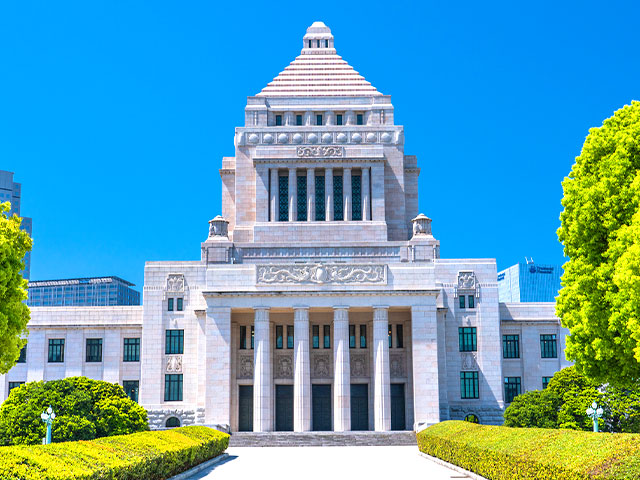
大人の社会科見学ツアー・旅行
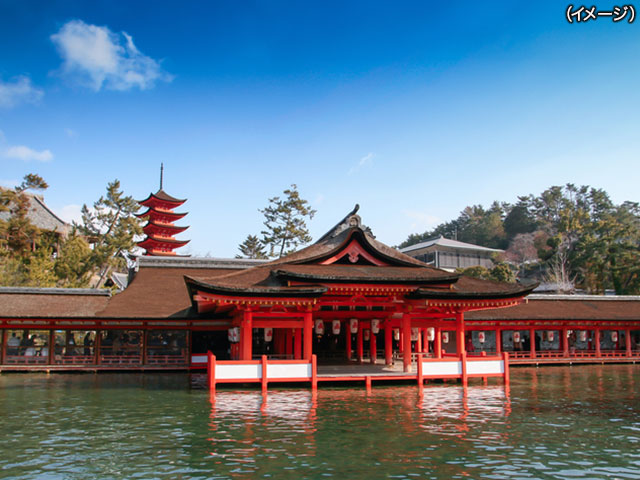
世界遺産特集(国内)
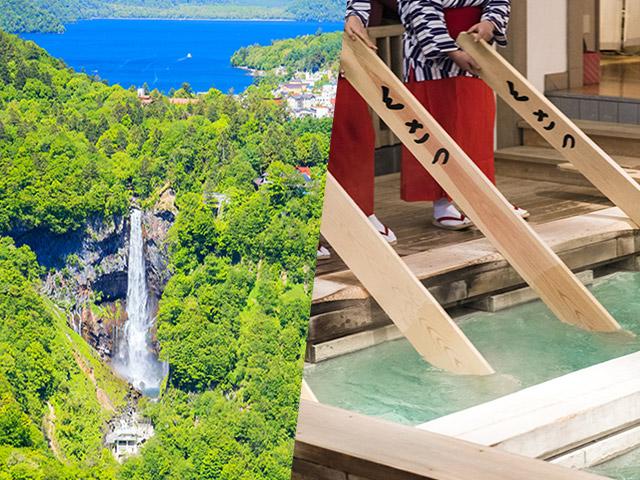
日光・鬼怒川・草津・万座特集
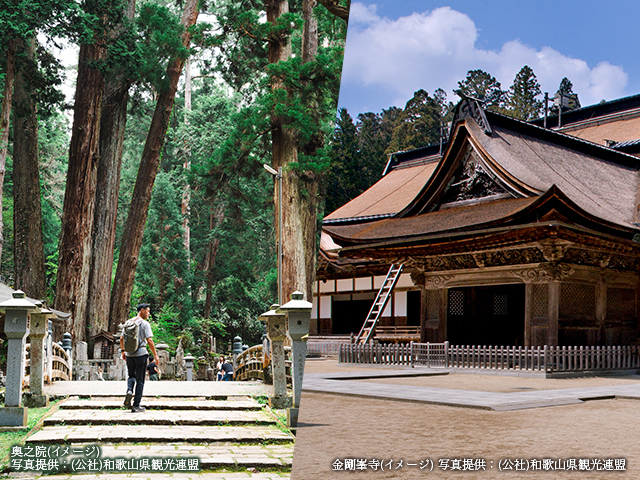
高野山特集
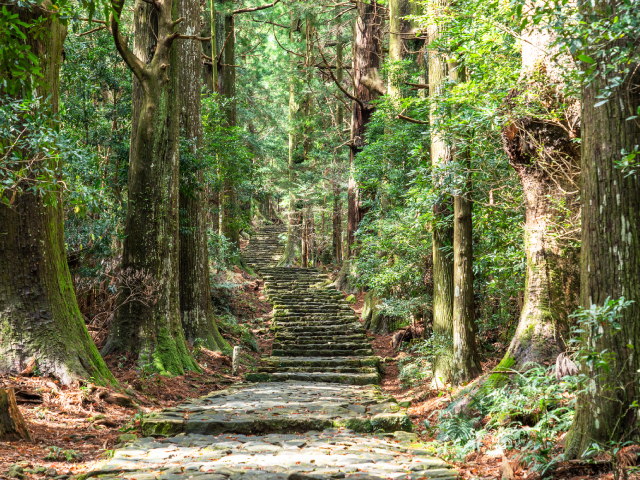
熊野古道・熊野三山特集
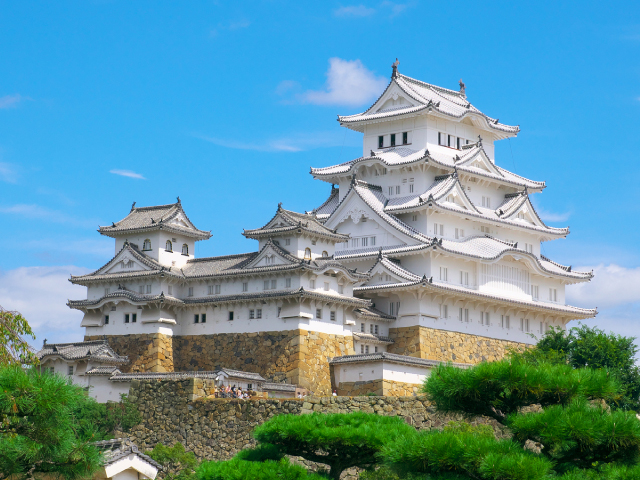
姫路城特集
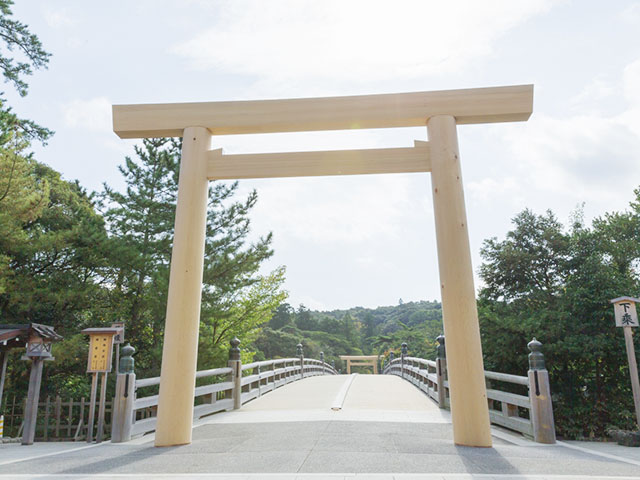
伊勢の神宮
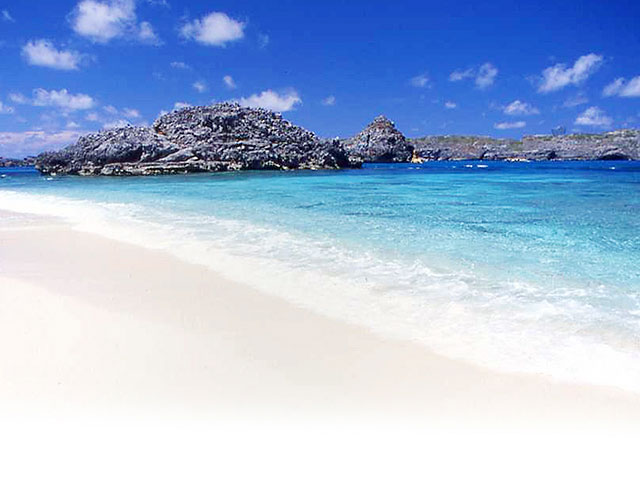
小笠原諸島特集
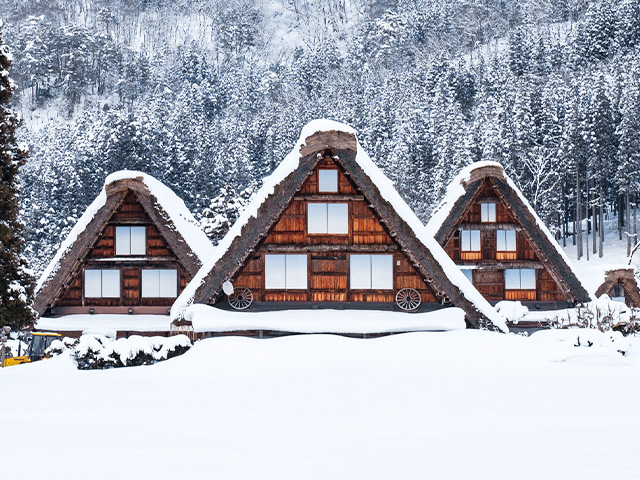
世界遺産 白川郷特集
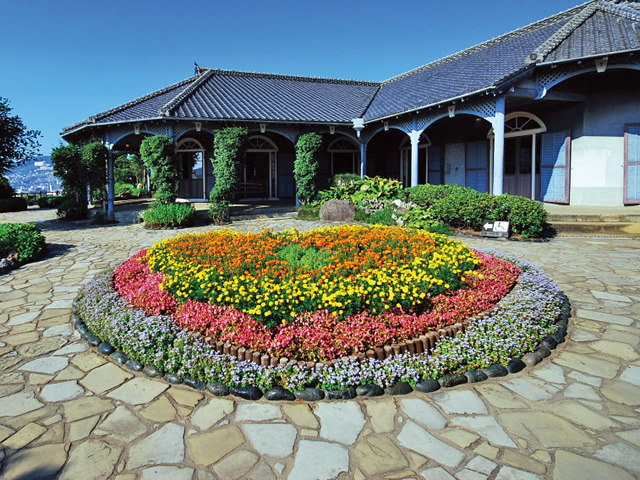
明治日本の産業革命遺産ツアー特集
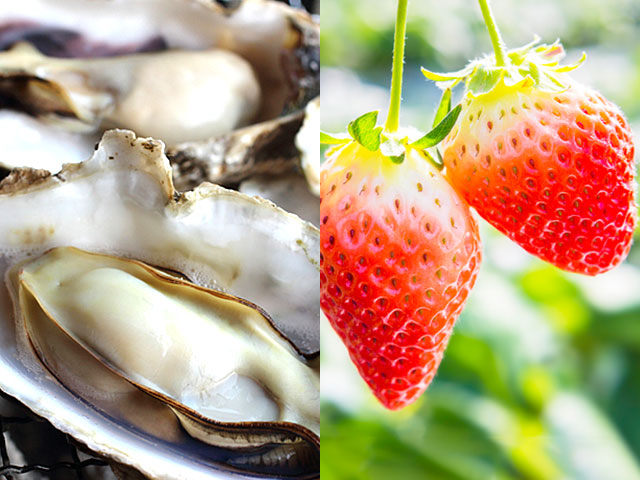
旬の味覚ツアー特集