Fruit-Picking Day Trips near Tokyo | Strawberry Picking and the Misotsuchi Icicles in January
Updated: Jan. 29, 2026

いちご狩り(イメージ)
日本のフルーツ狩りは、世界の旅行者から注目される人気アクティビティのひとつです。なかでもいちご狩りは、12月から3月頃まで長く楽しめる冬から春の定番。特に1月はいちごが最もおいしくなる時期のひとつで、寒さの中でゆっくり育ったいちごは、甘さとほどよい酸味のバランスが際立ちます。
さらにこの時期ならではの楽しみとして注目したいのが、秩父の「三十槌(みそつち)の氷柱」。自然がつくり出す幻想的な氷の芸術は、冬の冷え込みが深まる1月だからこそ出会える絶景です。旬のいちご食べ放題と、冬限定の氷の景色を一度に楽しめるのは、この季節ならではの贅沢といえるでしょう。
東京近郊で参加できるいちご狩りツアーは、移動がすべてバスで完結するため、寒い時期でも安心。自分でルートを調べたり、乗り換えを心配したりする必要がなく、交通の不安がありません。今回は、旬のいちご食べ放題を中心に、東京近郊で気軽に楽しめる日帰りフルーツ狩りツアーの魅力をご紹介します。
*This article was created for travelers planning to visit Japan, but readers in Japan may also find it useful.
-
Why Fruit-Picking Tours near Tokyo Are So Popular
-
Types of Japanese Strawberries: Characteristics and Peak Season
-
【Pick Up!】Right Next to Tokyo! Special Fruits You Can Find in Saitama
-
【Experience】Strawberry Picking & Icicle Illumination: A Model Tour near Tokyo
-
Recommended Related Tours and Release Schedule
-
Frequently Asked Questions (FAQ)
-
Summary
Why Fruit-Picking Tours near Tokyo Are So Popular
1. Easy Day Trips from Tokyo
In the suburbs of Tokyo, there are many fruit farms that can be reached within one to two hours. One of the main attractions is the convenience of simply riding a bus to the destination, without the stress of navigating unfamiliar areas. There’s no need to carry heavy luggage, allowing you to focus all your energy on enjoying the trip.
2. Guide to Fruit-Picking Seasons in Japan
The types of fruits available in Japan change with the seasons, and tourists often ask, "What's in season now?" Please refer to the table below.

出典:農林水産省・JA全農等の公表資料を基に作成
3. The Satisfaction of Combining Food Experiences and Sightseeing
In addition to fruit picking, tours also include a lunch buffet featuring local ingredients, shopping for regional souvenirs, and visits to historic, atmospheric shrines, letting you experience the charms of the area throughout the day. This itinerary, packed with things to enjoy, is why these tours are popular with both first-time and repeat visitors.
4. Peace of Mind Unique to Group Tours
Since transportation and reservations are all taken care of for you, even those unfamiliar with the area or worried about their Japanese can join with confidence. A tour conductor accompanies the group and carefully explains everything you need to know, making these tours a great choice for first-time visitors to sightseeing spots near Tokyo. Another advantage is that heavy souvenirs such as fruit and drinks can be left on the bus, so you don't have to carry them around.
Types of Japanese Strawberries: Characteristics and Peak Season
There are many strawberry varieties in Japan, but "Tochiotome," "Amaou," and "Beni Hoppe" are widely known as representative varieties of Japan. All have an excellent balance of sweetness and fragrance, and Japanese strawberries are recognized worldwide for their high quality. In Japan, you can find these varieties in many places, from supermarkets to tourist farms. "Tochiotome" is known for its abundant juice and moderate acidity, "Amaou" for its large size and rich sweetness, and "Beni Hoppe" for its deep sweetness and vibrant color.

While there are strawberries that are famous nationwide, there are also varieties that can only be tasted by visiting the local area. A prime example is "Amarin," which originated in Saitama Prefecture. It is characterized by its pleasant fragrance, juiciness, and strong sweetness. Because production is limited, it is rarely distributed on the market, and it has gained attention as a "strawberry unique to the local area" that can be tasted at tourist farms and the like.

Strawberries are in season from around Dec. to Mar., and Jan. in particular is said to be when the sugar content stabilizes and the flavor is at its best. Tourist farms near Tokyo mainly grow strawberries in greenhouses with controlled temperature and humidity, so you can enjoy strawberry picking comfortably even in winter. Tasting freshly picked strawberries on the spot is a pleasure unique to traveling.
【Pick Up!】Right Next to Tokyo! Special Fruits You Can Find in Saitama
Saitama Prefecture is easily accessible, about an hour by train from central Tokyo, and is also a thriving fruit-growing area that makes use of the different climates and soils of each region. In addition to strawberries, many other attractive fruits unique to Saitama are grown here.

なし[埼玉県を代表する果樹]
埼玉県は、関東有数のなしの産地として知られています。みずみずしい果肉とさっぱりとした甘さが特長で、夏から秋にかけて旬を迎えます。直売所や観光農園も多く、地元の人々に長く親しまれてきた、埼玉を代表するフルーツです。

ぶどう(「シャインマスカット」など)
埼玉県では、「シャインマスカット」をはじめとしたぶどう栽培も行われています。日照時間に恵まれた環境で育つぶどうは、粒が引き締まり、上品な甘みと華やかな香りが特長。旬の時期には、観光農園での収穫体験を楽しめる場所もあります。

ブルーベリー[観光農園で楽しめる果実]
埼玉県内にはブルーベリーの観光農園が点在し、初夏から夏にかけて摘みたての実を味わえます。爽やかな甘酸っぱさとフレッシュな香りが魅力で、自然を感じながら楽しめる体験型フルーツとして人気です。
【Experience】Strawberry Picking & Icicle Illumination: A Model Tour near Tokyo
Winter fruit-picking tours not only let you enjoy seasonal flavors but also offer scenery and experiences unique to the season. On the tour I joined, in addition to all-you-can-eat picking of sweet, fully ripe strawberries, I enjoyed the "Misotsuchi Icicles Light-Up," one of the most spectacular sights of winter in Chichibu. I also visited "Chichibu Shrine" to pay my respects. The highlight of this tour is that you can fully enjoy the nature and flavors unique to Chichibu, Saitama, throughout the day. I can recommend it not only to fruit lovers but also to anyone who wants to see and experience quintessential Japanese winter scenery.
1. The Tour I Joined
【Tour Name】
『All-You-Can-Eat Strawberry Picking in Chichibu & Lunch Buffet with About 20 Dishes Including Roast Beef: A Magical Winter Spectacle! Misotsuchi Icicles Light-Up』【From Shinjuku】
【Itinerary】
● Depart from Shinjuku Station
● Lunch buffet at Hanazono Forest
● All-you-can-eat strawberry picking at Wado Farm
● Free time to visit Chichibu Shrine
● Misotsuchi Icicles (illumination viewing)
● Return to Shinjuku Station
2. Top 3 Highlights
1. All-You-Can-Eat Strawberry Picking: Compare 7 Seasonal Varieties

和銅農園(イメージ)

ビニールハウス内の様子(イメージ)

採れたてのいちご(イメージ)

埼玉県オリジナルブランド「あまりん」(イメージ)

いちご関連のお土産(イメージ)
The main attraction of this tour is strawberry picking at Wado Farm. Inside the greenhouses, rows of bright red strawberries line the beds, and the biggest draw is the chance to compare seven varieties: Akihime, Suzu, Amaotome, Star Night, Hoshi Urara, Beni Hoppe, and Yotsuboshi. Since the flavor characteristics of each variety are explained, you can enjoy finding the strawberry that suits your taste, whether you prefer sweetness, a balance with acidity, or aroma.
Another plus is that the strawberries are grown using elevated cultivation, so you don't need to crouch down and can pick them comfortably while standing. Snap a berry off the stem and pop it straight into your mouth, and the sweetness spreads along with the juice, letting you enjoy a freshness only freshly picked berries can offer. It's all-you-can-eat within the time limit, so you can take your time savoring your favorite varieties.
The farm's shop also sells rare varieties found only in Saitama, such as Amarin and Sayurin, as well as souvenirs like strawberry jam, sweets, and strawberry liqueur. Being able to take strawberries home to enjoy, not just eat them on site, is part of the fun of a strawberry farm.
2. Chichibu Shrine and Its Colorful Carvings

秩父神社(イメージ)

御本殿(イメージ)

「お元気三猿」(イメージ)

秩父鉄道 秩父駅(イメージ)

秩父駅の地酒コーナー(イメージ)
Chichibu Shrine, a historic shrine that represents Chichibu, is conveniently located just a short walk from Chichibu Station. Its brightly colored main sanctuary is impressive, and if you look closely you will find a variety of carvings, such as the "Kosodate no Tora" (Child-Rearing Tiger), "Ogenki Sanzaru" (Healthy Three Monkeys), "Hokushin no Fukuro" (Owl of the North Star), and "Tsunagi no Ryu" (Tethered Dragon). Each has its own meaning, so you can also enjoy walking around in search of the carvings. On the shrine grounds, you can also try "mizu-uranai," a water fortune whose result appears when you float the paper on water.
Our free time included the shrine visit, so I was glad to also have time to browse local specialties and souvenirs around the station. The station even has a local sake corner where you can sample for a single coin, and trying the unique flavors of Chichibu is one of the joys of the trip.
3. The Misotsuchi Icicles Light-Up: Chichibu's Signature Winter Spectacle

「三十槌の氷柱」天然氷柱(イメージ)

「三十槌の氷柱」人工氷柱(イメージ)

「三十槌の氷柱」の地図(イメージ)

カフェのテラス席(イメージ)

みそポテト(イメージ)
At the Misotsuchi Icicles, I was able to take in the beauty of the illuminated icicles. The best time to see them is limited to mid-Jan. through mid-Feb. They are true works of ice art created by nature, formed only in a harsh winter environment where temperatures repeatedly rise and fall. The icicles, lit up in colorful lights, are reflected on the surface of the river, and the sight of them glittering on a quiet winter night is an impressive moment you will want to capture in photos and videos. The clear air and stillness, rarely found in the city, stay with you.
Here you can see both artificially grown icicles and icicles formed naturally by spring water seeping from the rocks, and comparing the two is one of the highlights. The largest icicles reach up to about 8 meters high, and up close they are so impressive you can't help but look up.
To warm up after the winter cold, there is also a café and shop on site. You can enjoy Chichibu's famous "miso potatoes," freshly fried so they are crispy outside and fluffy inside. The slightly sweet miso sauce goes perfectly with the potatoes. Other foods and drinks are also available for a short break, and they taste all the better in the cold.
3. Who This Tour Is For
• You want to enjoy seasonal fruit experiences such as strawberry picking
• You want to see Japan's unique winter scenery
• You are interested in Japanese shrines
• You want to sightsee efficiently on a day trip
• You are looking for a tour you can join comfortably even in the cold season
• You want to travel with peace of mind, without worrying about transportation
Recommended Related Tours and Release Schedule
Examples of related tours
• Tours featuring seasonal delicacies available only at that time of year, all-you-can-eat meals, and fruit picking
• Gourmet-focused tours and premium travel
Frequently Asked Questions (FAQ)
Questions About Meeting and Departure
Q: How can I confirm the meeting place and time after booking?
A: After making a reservation, you can check the "meeting place", "meeting time" and "emergency contact" on My Page. Before departure, you can also view the Tour Program (Tabi no Shiori) online.
About Luggage
Q: Can I bring my suitcase to participate?
A: If you are traveling by bus, we have space for luggage, so you can bring your suitcase. However, please limit yourself to two large suitcases per person.
Language Support
Q: Can I participate even if I don't speak Japanese?
A: Yes, you can. The tour is operated in Japanese, but important information is available in English and Chinese (Traditional) using AI translation equipment and written information. Tour conductors and drivers also use translation apps, so there is no need to worry about the language.
About Payment
Q: What is the payment method? What is the currency?
A: Payment is made online by credit card in Japanese yen. The exchange rate is subject to the rules of the credit card company. Instant payment is required at the time of booking.
About Local Support
Q: Do you have physical stores in Taiwan or overseas?
A: In Taiwan, KNT Taiwan is the general agent for Club Tourism. For on-site consultations, please contact KNT Taiwan.
For passengers in Taiwan, please contact KNT Taiwan (Taiwan General Agent)
Book Online: https://www.knt-taiwan.com/contact.php
Book by Phone: 02-87717551 (Mon–Fri 09:15–18:00, excluding holidays)
Email: info@knt-taiwan.com
Summary

焚火(イメージ)
Winter strawberry picking is a popular experience that lets you savor Japan's seasonal charm in a sweet, juicy way. Jan. is when strawberries are at their most delicious, and picking fully ripe berries and enjoying them on the spot will make your trip even more satisfying. Another appeal of joining a tour is being able to visit spots with winter-only scenery and nature in a single day, such as the Misotsuchi Icicles Light-Up bathed in magical light. Besides the tour introduced here, there are also tours that combine fruit picking with seasonal highlights throughout the year. Be sure to experience a trip unique to winter in Japan, easily enjoyed as a day trip from Tokyo.
Club Tourism official LINE, Facebook and Instagram
Follow us to get tips for traveling in Japan



-
The content is current as of the time of publication. Please check the official website for the latest information.
 Related articles

Chichibu Night Festival 2026 | Japan's Top Winter Festival |Club tourism
Mountain town, Chichibu. At night as winter deepens, floats dressed in lantern light quietly begin to move, and fireworks echo in the night sky. Tradition...

Enjoy Spectacular Views Too! 12 Recommended Hot Spring Inns in Chichibu
Chichibu has many hidden hot springs. Chichibu Onsen Hananoya welcomes guests with plans such as bus tours exploring Chichibu through the four seasons...

13 Hot Springs You Should Visit When Visiting Saitama
Busy everyday life. For those who want to refresh themselves with a soak in a hot spring on their day off, here are some hot springs in Saitama that are easily accessible by train or car.
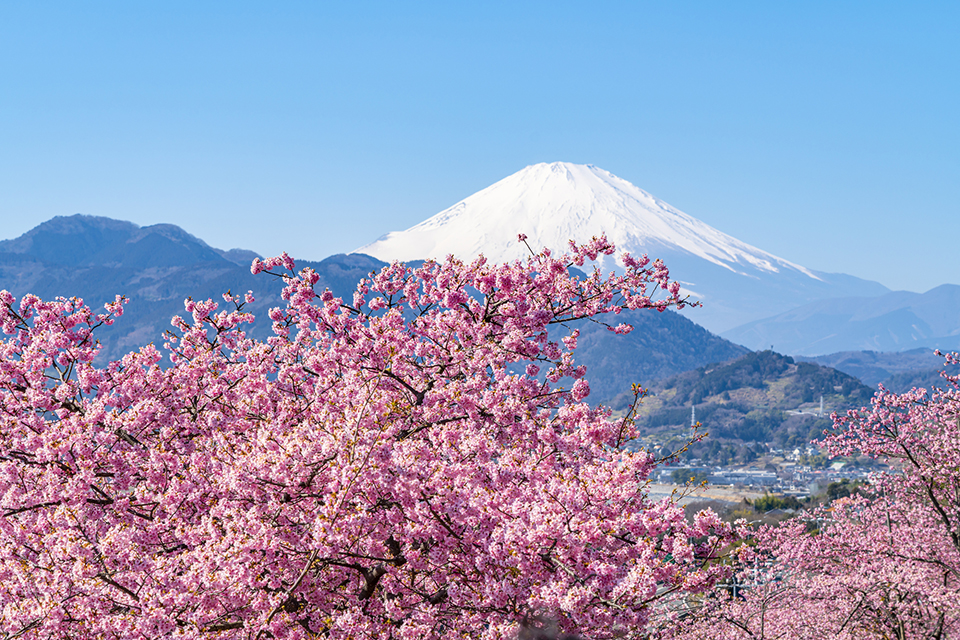
15 Kawazu Cherry Blossom Spots near Tokyo | Complete Guide to Best Viewing Times, Access, and Recommended Tours
When it comes to spring in Japan, cherry blossoms are the ultimate spectacle. Among them, the Kawazu cherry blossoms, which herald spring early in Feb. and Mar., are a must-see. Vivid pink...
Search by area
Domestic
Search by keyword
- Solo Travel
- Girls' trip
- Family Trips
- Couple's trip
- Goshuin (temple stamp)
- History
- Shrines and temples
- Pilgrimage
- Art
- Music
- Famous Castles
- Spectacular views
- World Heritage
- Entertainment
- Gourmet
- Hot Springs
- Island Trips
- Cycling and skiing
- Festival
- History and Roads
- Souvenirs
- Museums
- Power Spots
- Night view
- Railway
- Mountain climbing and hiking