4 common worries and problems when traveling to Japan: The true nature of worries revealed by reviews from foreign tourists visiting Japan
Updated: 2026/0 Feb. 27/2026
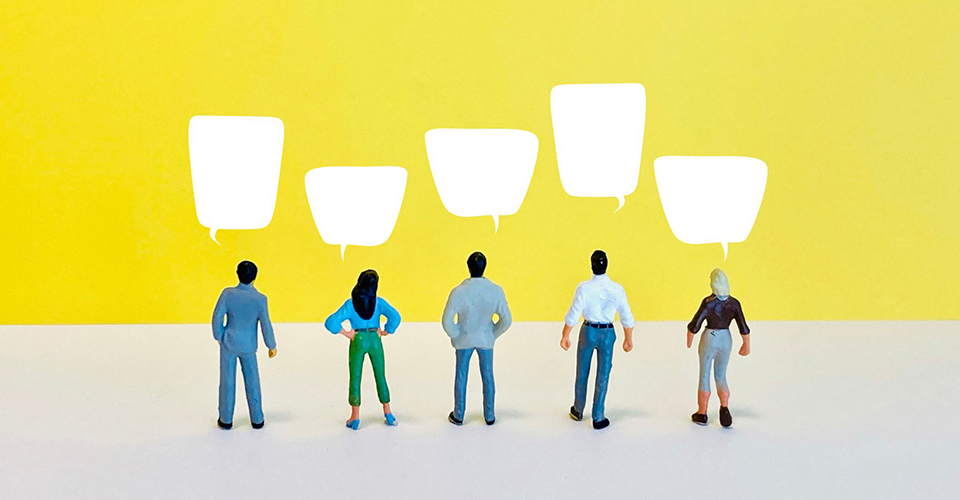
訪日外国人にとって日本旅行は人気が高く、「安全」「行きやすい」旅行先として知られています。しかし実際の声を見てみると、「危険ではないけれど、不安を感じた場面があった」「個人旅行で少し困った」という経験もあります。「日本旅行 不安」と検索する人がいるように、危険ではなくても戸惑う場面があるのも事実です。多くは治安ではなく、移動・集合・混雑・イベント体験など、日本旅行ならではの段取りや注意点に関係しています。本記事では、日本旅行で不安・困りやすいポイントと、その対策や考え方を整理します。これから日本旅行を計画している方や、個人旅行に少し不安を感じている方にとって、事前に知っておくことで「失敗を防ぐヒント」になれば幸いです。
*This article was created for travelers planning to visit Japan, but readers in Japan may also find it useful.
-
What types of "vague anxiety" do you feel when traveling to Japan?
-
Why are people prone to feeling anxious when traveling to Japan?
-
Problem 1: I'm worried about not understanding the meeting place and the schedule for the day when traveling to Japan.
-
Problem 2: Traveling to local tourist spots is long and tiring
-
Problem 3: Worried about how to deal with train delays and traffic jams when traveling in Japan
-
Problem 4: Not being able to fully enjoy Japanese fireworks festivals and seasonal events
-
One way to reduce anxiety when traveling to Japan
-
Frequently asked questions (FAQ)
-
Summary
What types of "vague anxiety" do you feel when traveling to Japan?
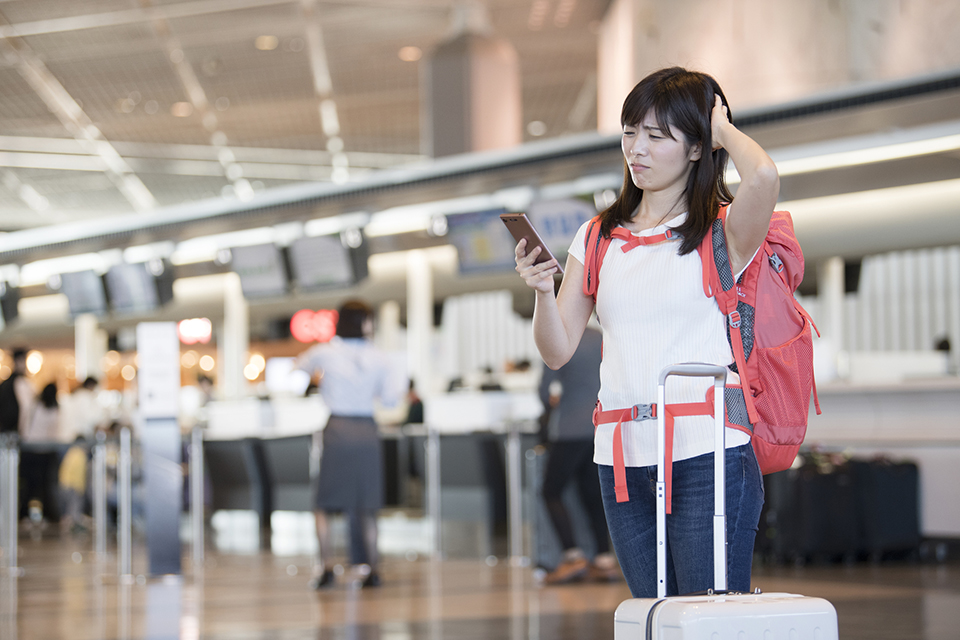
There is more than one thing that can make you feel anxious about traveling to Japan. Below are some of the main concerns that people have when visiting Japan.
Language anxiety
●Traffic anxiety
●Distance anxiety
Crowding anxiety
Event-related anxiety
●Anxiety about judging problems
Why do we feel anxious? In the next section, we will take a closer look at the background of anxiety, the four most common types of anxiety, and ways of thinking that can help us deal with them.
Why are people prone to feeling anxious when traveling to Japan?
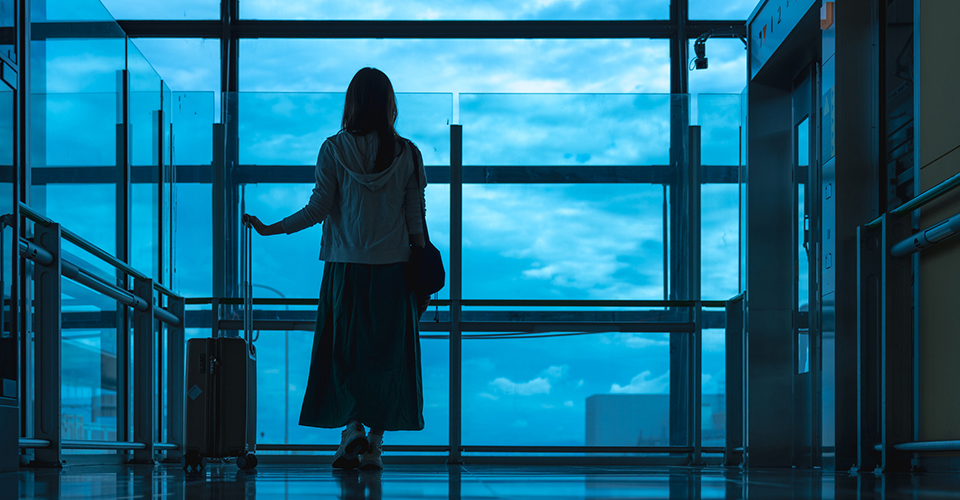
Traveling in Japan is often said to be safe, but that doesn't mean you won't get lost or get tired. In reality, there are situations where you might be confused when traveling alone or touring the countryside. Here, we'll explain the reasons why people tend to feel anxious when traveling in Japan.
language
English support is becoming more common in urban areas, but in rural areas, there are still many guides mainly in Japanese.
In particular, announcements within stations, information about bus delays, and special changes may be given only in Japanese.
If the situation suddenly changes and you can't understand it, you may feel anxious and wonder, "I don't know what's going on now."
Traffic Complexity
Japanese railways are very accurate, but they are characterized by many lines and large station premises. Especially at large stations in Tokyo and Osaka, there are multiple ticket gates and platforms, and the same station name may have different routes.
Even if it looks easy on a map app, the actual transfer may feel like a long travel distance. Situations where you are worried about whether you are really right in this direction are likely to occur when traveling to Japan, where the transportation network is complicated.
Differences in sense of distance
When you actually move to Japan, you often feel that local tourist spots and urban areas are more distant than you imagine. Around Mt. Fuji, Tohoku, Hokkaido, Kyushu, etc., the distance between tourist spots tends to be longer. In particular, in unknown lands, it is difficult to Image the actual travel time from the distance on the map, so if it took longer than expected, a gap may be created. The difficulty of accurately Image travel time is also one of the factors that can lead to anxiety.
congestion
During popular seasons such as cherry blossoms, autumn leaves, and fireworks displays, congestion when traveling to Japan is particularly intense. You may experience long waits and admission restrictions, and you may not be able to proceed as scheduled. Rather than the congestion itself, the situation of "I don't know how long to wait" or "the plan may collapse" is the point where you are likely to feel anxious.
Differences in event culture
Japan's fireworks festivals and seasonal events are extremely popular, but the quality of the experience can vary greatly depending on where you view them and the route you take.
Even if you think, "I'll just enjoy it when I get there," you may encounter some confusing situations once you get there, such as needing to make a reservation in advance or not being able to see what you wanted. While events can be an inspiring experience, they can also be a source of anxiety if you don't know how to proceed.
Problem 1 | Meeting places and other things when traveling in Japan
I'm worried because I don't understand the flow of the day.
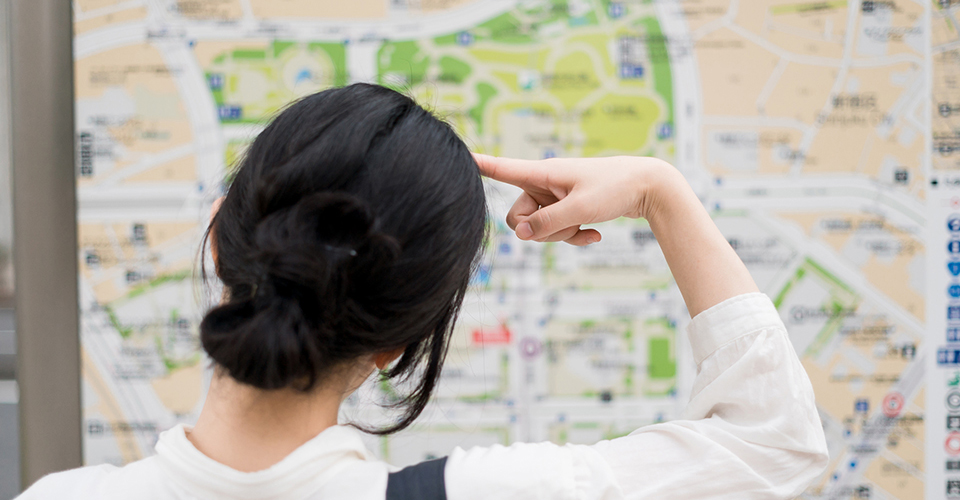
Surprisingly common in Japanese individual travel and Local Departure and Arrival Tour is anxiety about the meeting place and the flow of the day.
●There are many station exits that are difficult to understand.
●The guide is mainly in Japanese and it is difficult to understand the detailed explanations.
●I don't know how to read the photos and maps of the meeting place
●Underground passages are complex and easy to lose your sense of direction
●There is a lot of pressure not to be late.
The main stations in Japan are very large, with multiple lines and exits even with the same station name. The situation of "arriving at the station but not being able to find a meeting place" is a great anxiety for first-time travelers. Even if it's not dangerous, "the time when you're not sure where you are right now" is a part of traveling to Japan that can easily be a mental burden.
Problem 2: Getting to local tourist spots
The journey is long and tiring
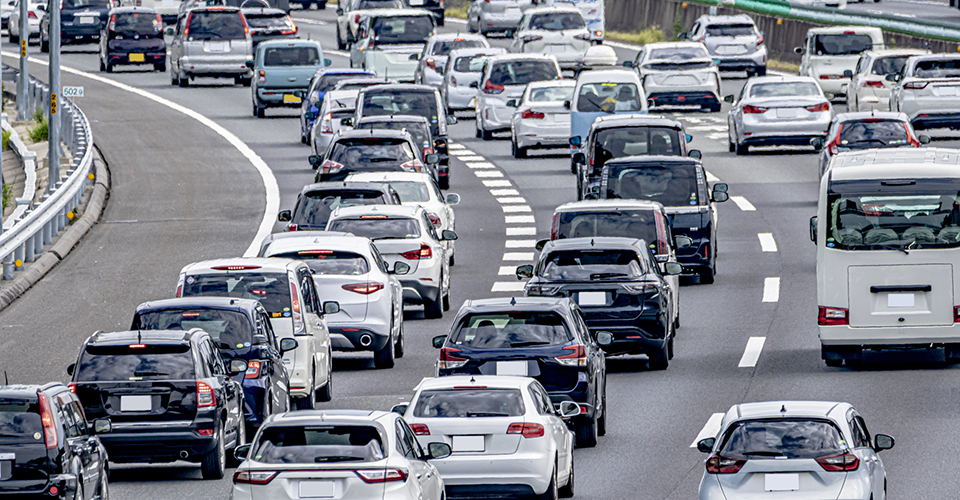
When planning a trip to Japan and sightseeing in the countryside, travel times can sometimes be longer than you expect.
For example, when heading from a city to a hot spring resort or a scenic spot in the mountains,
●There are few trains
Change to a bus along the way
Buses and cars get caught in traffic jams
● Sitting for long periods of time while traveling
There may be times when the following situations overlap.
[Reviews]
"I'm tired because I've been on the bus for a very long time."
"as we are having such a long drive and sightseeing many spots, we feel quite tired"
What these comments show is that satisfaction is determined more by "time allocation and rest planning" than by the travel itself. Regional tourism is attractive, but travel satisfaction can be achieved by checking train and bus schedules, car route information, and traffic conditions in advance, and then planning a reasonable itinerary and incorporating appropriate rest breaks.
Problem 3: Worried about how to deal with train delays and traffic jams when traveling in Japan
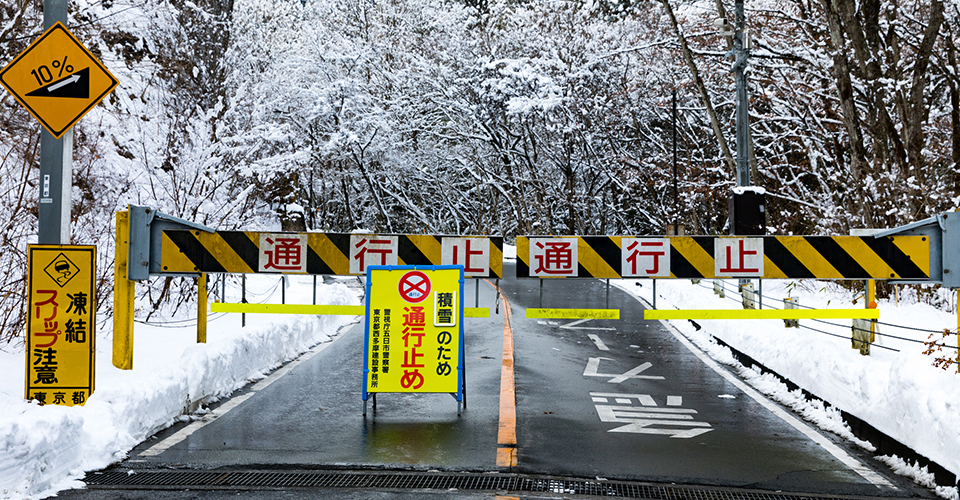
Traffic in Japan is said to be accurate, but scheduled can change depending on the weather and traffic jams.
●Typhoons, heavy rain, and snow in winter
●Traffic jams during the tourist season
●Delays due to commuting rush or accidents
Rather than the trouble itself, it is also uneasy to make decisions such as "how to find an alternative route", "how to adjust sightseeing time, and whether to make it in time for the next reservation" in the case of independent travel.
[Review]
"I think it's hard to get scheduled out of order because of the weather and traffic jams."
As there is a voice, there may be situations where you have to respond to sudden events.
Problem 4 | Japanese fireworks festivals
I can't fully enjoy seasonal events
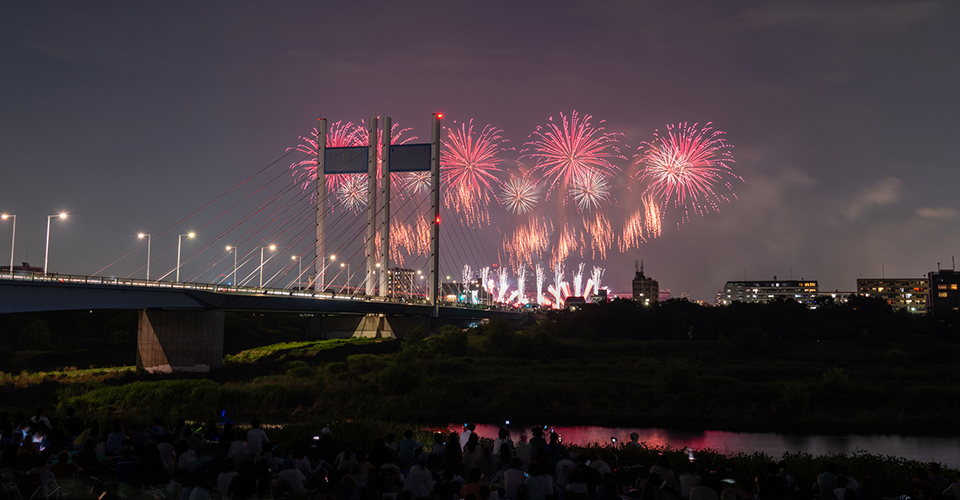
Fireworks displays and seasonal events are popular among travelers to Japan, but the quality of the experience can vary greatly depending on the location and arrangements.
● Securing a viewing spot
Long wait times before starting
● Huge crowds after the event
Long queues for toilets
●Positioning for taking photos
[Reviews]
"The seats for the fireworks display were on the edge, so it wasn't a very good place to watch the fireworks."
``Fireworks exhibition in the most inappropriate position in the fireworks festival''
Satisfaction with an event depends more on where and how you experience it than on the content itself. Because expectations are high, it's easy to feel disappointed if the conditions aren't met.
One way to reduce anxiety when traveling to Japan

None of the problems we have seen so far are "dangerous".
However, what they have in common is that
●I don't know the flow of the day
●Travel time is difficult to read
●Difficult to judge in case of trouble
●The quality of the experience depends on location and design
It is easy to be anxious in a situation where you have to manage everything yourself.
While individual travel has a high degree of freedom, you need to do everything yourself, including travel planning, time management, and alternative decisions.
Some travel agencies that handle daily tourism in Japan may design their itineraries on the premise of reducing congestion and travel burdens. Based on the congestion trends in each region and the sense of actual travel time, a reasonable schedule may be arranged. Club Tourism and other travel agencies that handle many tours in Japan have tours that are designed with sufficient time for sightseeing in mind, but also considering the distance traveled and rest time.
It doesn't mean that "individual travel is bad", but the important thing is to "know where you are prone to anxiety and choose your travel style". Rather than reducing anxiety, the idea of "reducing anxiety" such as "applying only for fireworks events that you don't know how to book on a tour" is one option to enjoy your trip to Japan with more peace of mind. The anxiety of traveling to Japan is often a matter of "information and design" rather than "danger".
Frequently asked questions (FAQ)
Q: Is it okay to travel to Japan on my own?
A: Yes, it is. However, if you are planning to travel to a rural area or during peak season, it is a good idea to check travel times and congestion in advance.
Q: Who is a local tour suitable for?
A: It is suitable for people who are traveling to Japan for the first time, want to enjoy local sightseeing and seasonal events.
Q: Is it easy to participate even if you are a local tourist?
A: There are tours that depart and arrive in rural areas as well as urban areas.
Summary
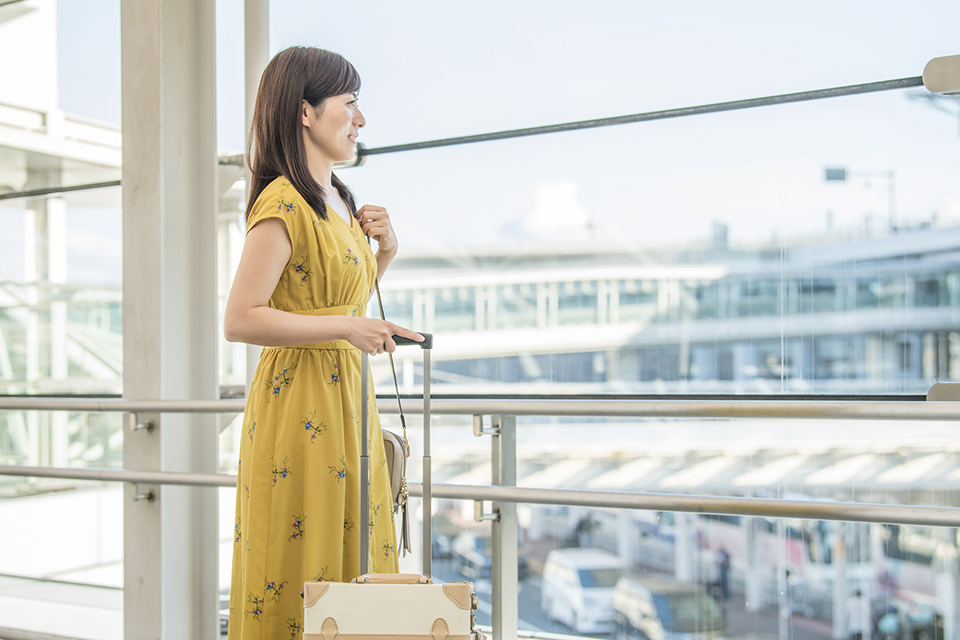
Traveling to Japan is popular among foreign visitors,
The meeting place is difficult to find
●Long travel times for regional sightseeing
●It is difficult to make decisions when trains are delayed or in traffic jams
●It gets crowded during fireworks displays and seasonal events.
There are some concerns and points to be aware of.
These aren't dangerous, but if you encounter them when you arrive and don't know about them in advance, it could make your trip even more difficult. To reduce anxiety when traveling to Japan, it's important to know in advance the types of situations you're likely to encounter and choose a travel style that suits you.
When traveling to Japan, your level of safety will vary greatly depending not only on "where you go" but also on "how you design your itinerary." We hope this article will provide some "hints to prevent mistakes" for those planning a trip to Japan.
Club Tourism official LINE, WhatsApp, Facebook, Instagram
Follow us to get tips for traveling in Japan




-
The content is current as of the time of publication. Please check the official website for the latest information.
 Related articles
Search by area
Domestic
Search by keyword
- Solo Travel
- Girls' trip
- family trip
- Couple's trip
- Goshuin (temple stamp)
- history
- Shrines and temples
- Pilgrimage
- art
- music
- famous castle
- Spectacular views
- world heritage
- Entertainment
- Gourmet
- hot spring
- island trip
- Cycling and skiing
- Festival
- History and Roads
- souvenir
- museum
- power spot
- Night view
- Railway
- Mountain climbing and hiking