Kamakura, the true face of the city of samurai | Kamakura travel and tours | Tourist attractions
Click here for tourist information on Kamakura! We introduce the true face of Kamakura, the capital of samurai. You can easily search for and book tours on Club Tourism website.
-
A "mosaic town" where Cultures overlap
-
[Kamakura Period] Foreign Culture captivated the people Kamakura, from Samurai to commoners
-
[Edo Period] Why did the ruined Kamakura come into the spotlight after the collapse of the shogunate?
-
[Meiji Period] From a sanatorium to a resort Kamakura Culture beloved by Overseas Travel
-
[Taisho Period] Modern Kamakura protected by the Culture citizens of literary figures enthralled by Kamakura
-
Recommended spots to stop by on your stroll around Kamakura
I'm sure you'll find my journey fascinating.
Kamakura: The True Face of the Samurai Capital
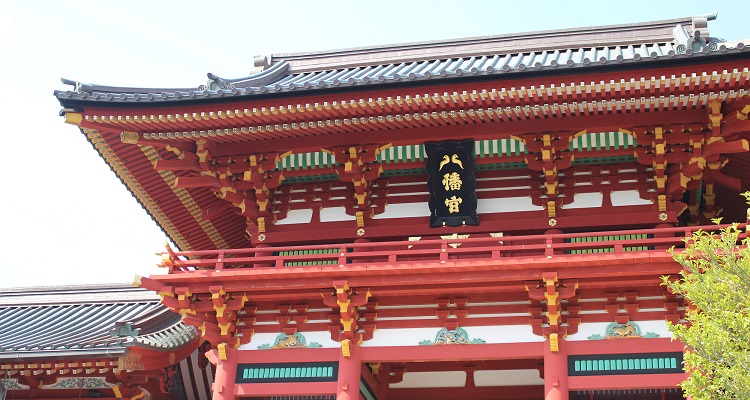
画像提供:鶴岡八幡宮
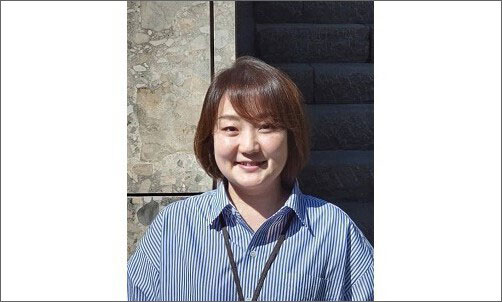
大澤泉さん
鎌倉歴史文化交流館・学芸員 大澤泉さん
早稲田大学大学院文学研究科史学(日本史)専攻博士後期課程単位取得後退学。現在は鎌倉歴史文化交流館学芸員。専門は日本中世史で、特に鎌倉時代の地域社会や都市鎌倉の歴史を研究している。
A "mosaic town" where Cultures overlap
At the end of the 12th century, Kamakura, the capital of the warrior government (shogunate) established by Minamoto no Yoritomo, was a cutting-edge town that quickly adopted the culture of China, which had once led Asia. Later, during the Edo period, Kamakura became known as a tourist destination, and after the Meiji era, as a resort area. However, the foundation of Kamakura's culture has always been rooted in warrior traditions, such as those represented by Tsurugaoka Hachimangu Shrine. Mr. Osawa says, "Kamakura, which is formed by the layering of various historical cultures, is also called a town of mosaics. Knowing the characteristics of each era makes strolling through Kamakura even more enjoyable," and he first talked about the surprising aspects of the Kamakura warriors who supported the Kamakura shogunate.
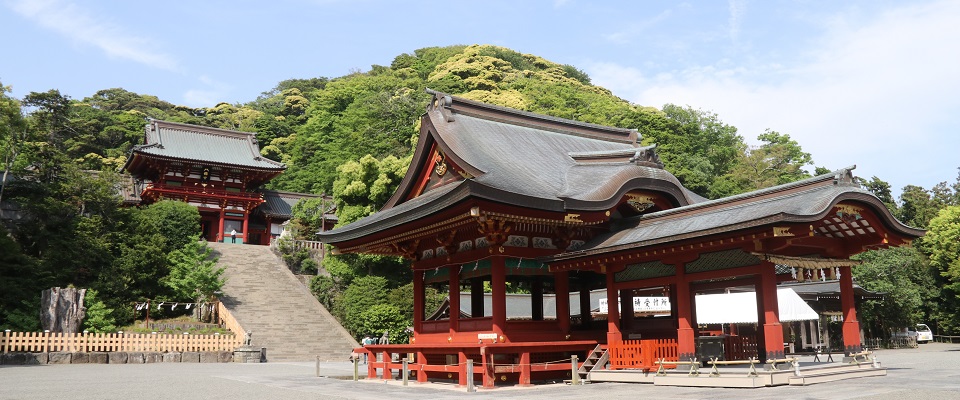
鶴岡八幡宮(イメージ)
During Kamakura period, Tsuruoka Hachimangu Shrine was established in Kamakura as the guardian deity of the samurai government. Tsurugaoka Hachimangu Shrine, which has long been loved by warriors and intellectuals, Tsuruoka Hachimangu Shrine remains one of the symbols of Kamakura and is still bustling with many worshippers.
[Kamakura Period] Foreign Culture captivated the people Kamakura, from Samurai to commoners
Kamakura was a city of warriors where the military government, known as the Shogunate, was established by Yoritomo. In the latter half of the 12th century, Kamakura engaged in trade with the Song Dynasty in China, which was a leading world power at the time. The Chinese culture introduced from the Song period was appreciated by people of all social statuses.
[Curator Osawa gives an explanation!]
It is said that Wakamiya Oji-oji, which runs from the sea to Tsuruoka Hachimangu Shrine, was once lined with the estates of powerful samurai. The samurai not only used celadon and white porcelain from China as everyday tableware but also admired celadon vases and ornaments as treasured items. They embraced the latest trends in Chinese culture by practicing the tea ceremony, which was introduced from the Song Dynasty. Observing the intricately crafted celadon ware allows you to imagine a different side of the samurai, one that contrasts with their battle-ready image.
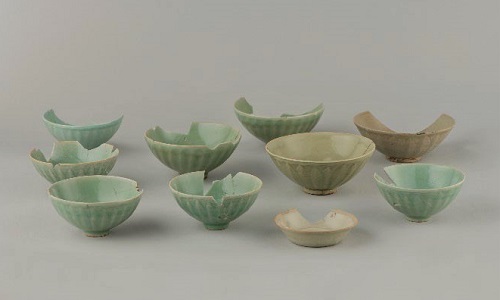
青磁蓮弁文碗 白磁口禿皿 若宮大路周辺遺跡群出土/鎌倉市教育委員会所蔵(イメージ)
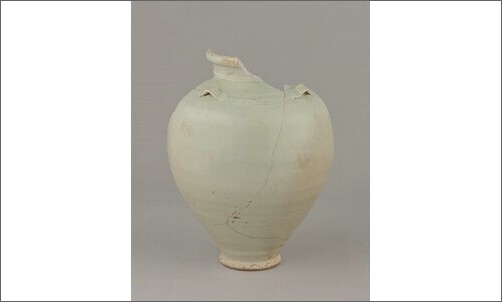
白磁四耳壺 大倉幕府周辺遺跡群出土/鎌倉市教育委員会所蔵(イメージ)
In Kamakura, many pieces of celadon and white porcelain from mainland China have been excavated. The excavations have been conducted at various locations, and while these items were highly valued as treasures by Samurai, they were also loved by common people as tableware for everyday use.
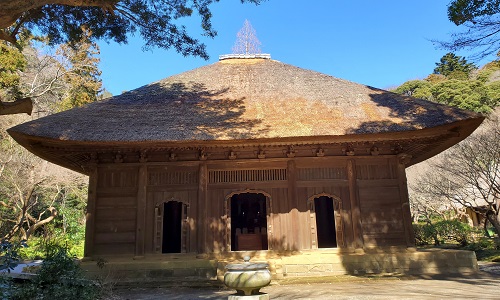
覚園寺(画像提供:覚園寺)
中国文化が身近にあった当時の鎌倉の町では、宋由来の禅宗の教えが広く支持されました。真言宗寺院ながら、素朴で力強い禅宗の影響を受け入れた覚園寺は、大澤さんのイチオシ。自然に包まれる粛静な境内を進んだ先、本堂で出会う十二神将の鋭い視線には身が引き締まります。
[Edo Period] Why did the ruined Kamakura come into the spotlight after the collapse of the shogunate?
After the fall of the Shogunate, in the Muromachi era, the entire town of Kamakura ran out of funds as it lost its political centripetal force. Tsuruoka Hachimangu Shrine was protected as the symbol of the town, but other shrines and temples must have been in a very difficult situation. As the entire town fell into disrepair, Kamakura the capital of the samurai class, Mito Mitsukuni, the "Yellow Gate of Mito", turned his attention back to the town. Mitsukuni compiled a geographical journal called "Shinpen Kamakura shi" which included Jisha of Kamakura, treasures, and a discussion of Azuma mirrors. The "Shinpen Kamakura Zhi" was widely disseminated, especially among the samurai and intellectuals of the Edo period, which has its roots in Kamakura Bushi, and Kamakura became widely known to the public as basic information for sightseeing. And Kamakura was transformed from a political center to a tourist destination where former samurai Bunka families still remain.
[Curator Osawa gives an explanation!]
Kamakura was often used as the setting for plays at that time, and it is believed that ordinary people visited the city as if they were touring filming locations. The appearance of tourists may not be much different from today, visiting location of stories with friends and buying popular souvenirs.
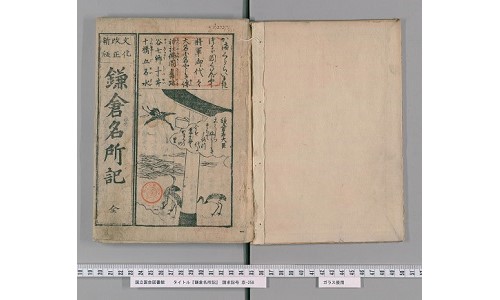
(国立国会図書館ウェブサイトより転載)
水戸光圀が編纂した「新編鎌倉志」を参考に、鎌倉の地図や名所図会が多数発行されました。鎌倉名所図会は今でいう観光ガイドブックのようなもので、江戸や鎌倉の茶屋でも配布されるなど庶民の人気を集めていました。
[Meiji Period] From a sanatorium to a resort Kamakura Culture beloved by Overseas Travel
In an era when swimming in the sea was believed to cure various ailments, Kamakura 's Shichirigahama came into the spotlight as a place to recover. Kaihin-in, a facility originally built for the purpose of recuperation, was transformed into a seaside hotel and soon became a sort of guesthouse bustling with Overseas Travel. Overseas Travel were drawn to the atmosphere of the ancient capital that remained in Kamakura, and one of the most popular attractions was the Great Buddha of Takatoku. Like Tsuruoka Hachimangu Shrine, the Great Buddha of Kotoku-in was also built in Kamakura at the behest of Takatoku no Yoritomo. Samurai culture has changed form with the times and continues to be loved to this day.
[Curator Osawa gives an explanation!]
The exotic charm of the 11-meter-high Great Buddha is truly exotic culture itself to Westerners. The Kaihin Hotel had foreign-language guidebooks available, making the town easy to visit for foreigners, which is another reason Kamakura why it became so popular as a resort destination.
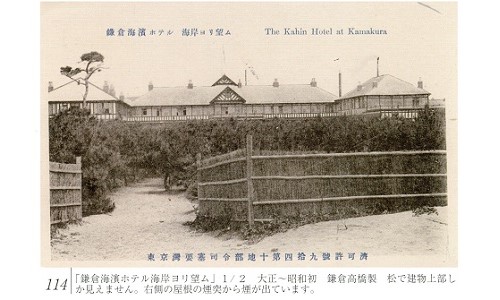
絵葉書「鎌倉海濱ホテル 海岸ヨリ望ム」(鎌倉市中央図書館所蔵)
海水浴のできる静養施設から、ホテルとして姿を変えた海浜ホテル。明治以後の日本建築界の基礎を築いたといわれるジョサイア・コンドル氏が増築に関わったとされる西洋風の建築で、客層は主に外国人だったそう。
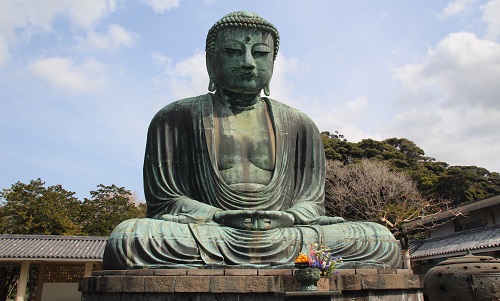
大仏(イメージ)
鎌倉の大仏は、鎌倉時代に流行した中国文化の影響を受け、前かがみの姿勢をしているのが特徴的です。風雨に晒され続ける露座の大仏ですが、劣化する度に大規模な修復や債再建が繰り返され、今も昔も国内外問わず観光客に愛され続けています。
[Taisho Period] Modern Kamakura protected by the Culture citizens of literary figures enthralled by Kamakura
Kamakura has been visited by writers such as Masaoka and Natsume Soseki since the Meiji period. Attracted by the ancient capital atmosphere that remains in the town, many literary figures, including Kume Masao, made Kamakura their base during the Taisho period. Writers living in Kamakura were called "Kamakura writers," and gradually a community of literary figures was formed. Writers who loved Kamakura also worked hard to revitalize the town with events such as Kamakura Carnival, and in times of disaster, they worked with zaibatsu to invest in Culture to protect them, and campaigned with citizens against housing Kaihotsu, creating an environment in which the power of the citizens could protect and promote Kamakura as a city of Culture.
[Curator Osawa gives an explanation!]
Literary figures who loved culture had a deep attachment to the ancient capital of Kamakura, and worked with the citizens to protect Kamakura. Examples of Kamakura culture that were preserved through human power include Tsuruoka Hachimangu Shrine, which continued to be protected by those in power even after the collapse of Kamakura Shogunate, and the Great Buddha Takatoku, which was repeatedly rebuilt with funds raised. Behind Kamakura Culture, which is like a mosaic where culture of various eras overlap, are the feelings of the people who loved Kamakura, the ancient capital of the samurai.
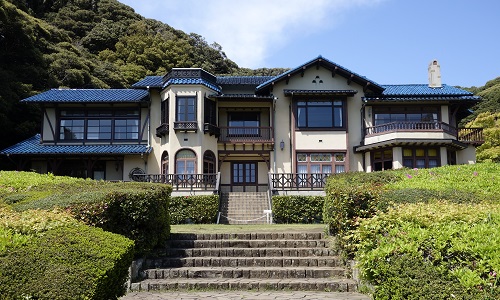
(写真提供:鎌倉文学館)
かつての別荘地の雰囲気を残す鎌倉文学館では、文学作品に留まらず、文学者たちの暮らしを通して彼らの素顔を知ることができます。三方を山に囲まれて、遠くに海を臨む鎌倉らしい雰囲気のなか、かつての鎌倉に思いを馳せてみては。
Recommended spots to stop by on your stroll around Kamakura
Hasedera Temple
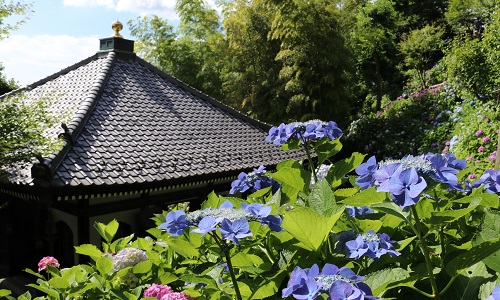
鎌倉の初夏を彩る花浄土 長谷寺(写真提供:長谷寺)
四季を通じて花が耐えることのない「鎌倉の西方極楽浄土」と呼ばれる長谷寺は、初夏になると咲き誇るアジサイが目を楽しませてくれます。鎌倉の海や街並みを眺めつつ、この時期だけの美しさと出会いに、ぜひ足を伸ばしてほしいスポットです。
Kamakura History and Culture Exchange Center
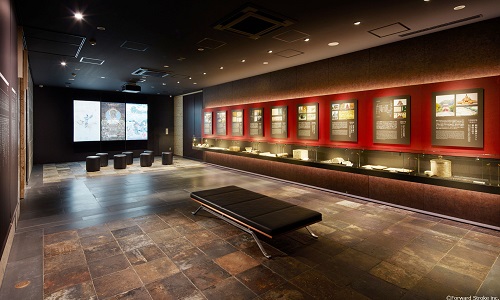
鎌倉の歴史を深く知りたい方へ (写真提供:鎌倉歴史文化交流館)
大澤さんが学芸員を務める鎌倉歴史文化交流館では、鎌倉の歴史や文化をより深く知ることができます。とくに常設の「永福寺VR」は必見。源頼朝が鎮魂のために建立した豪華絢爛な寺院だったにも関わらず、廃寺となってしまった永福寺を目の前に眺めると、武家の古都として栄えた頃の鎌倉の姿や、武家の権力を実感することができます。