


The beauty of the Edo period, the beauty of the modern era, the beauty of the Jomon period... Experience "Japanese beauty" that transcends time and space.
公開日 / 2026.03.18更新日 / 2026.03.18

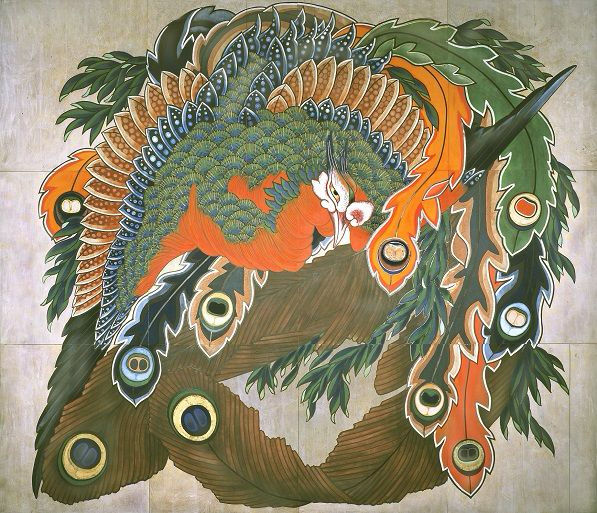
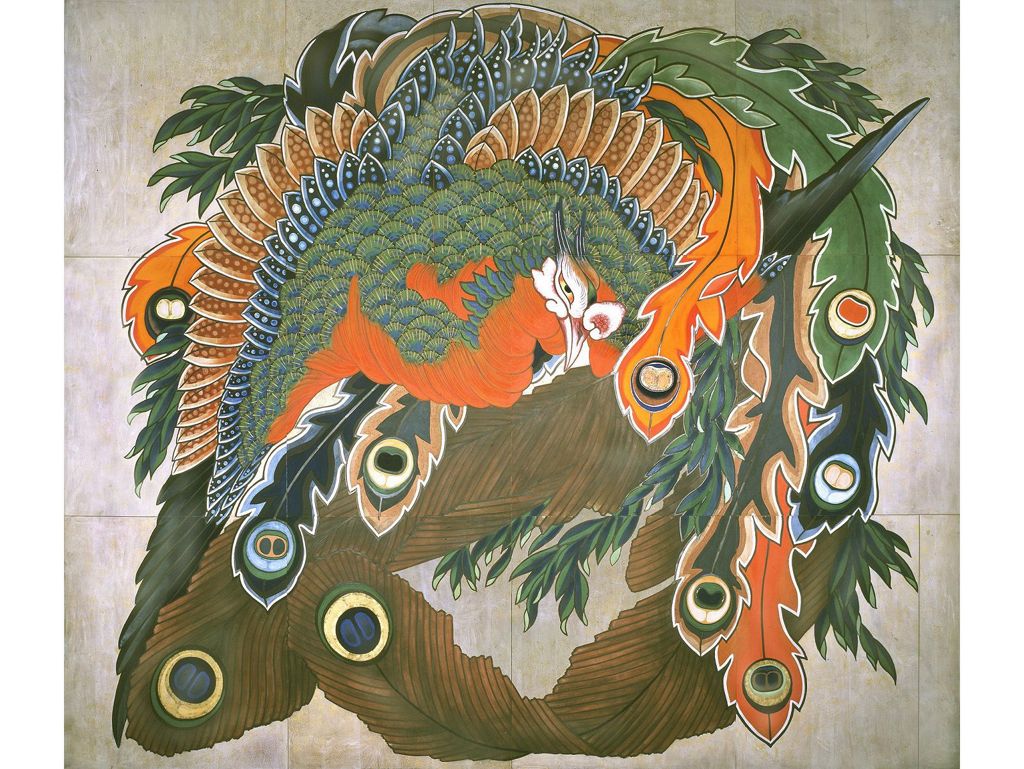
岩松院 八方睨(にら)み鳳凰(ほうおう)図(葛飾北斎)
Art and works of art imbued with soul, regardless of the era, mysteriously captivate us, sometimes shattering preconceived notions and offering unexpected insights. Let's seek fresh inspiration and encounter "beauty" that transcends time and space.
[The Beauty of Edo] Katsushika Hokusai and Ishikawa Uncho—What Two Genius Artists Representing Their Era Explored
When it comes to representative artists of the Edo period, a time when townspeople's culture flourished, Katsushika Hokusai and Ishikawa Uncho are indispensable.
Hokusai, who was active as a ukiyo-e artist, is known for his overwhelming artistic skill and unconventional style, exemplified by works such as "Thirty-Six Views of Mount Fuji," but many people may not know that he spent his entire life exploring the expression of "waves." "Male Wave" and "Female Wave" are works from his late 80s, representing the ultimate form of waves that Hokusai achieved in his final years.
Katsushika Hokusai

【岩松院/八方睨み鳳凰図】北斎の晩年の傑作。鳳凰の目がどこから見てもこちらを睨むようになっています
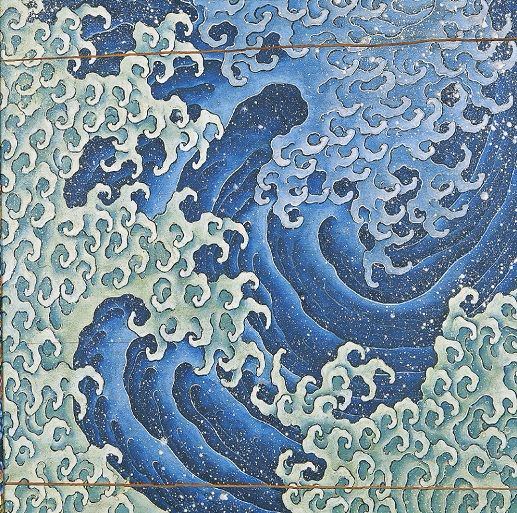
「上町祭屋台天井絵 男浪」上町自治会蔵(北斎館管理)
【北斎館/男浪(おなみ)・女浪(めなみ)】波の勇壮な様子を強調した男浪と、比較的穏やかに描かれた女浪からなる一対の名作
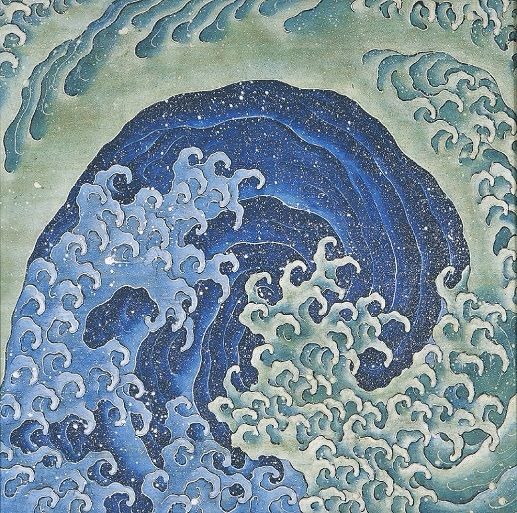
「上町祭屋台天井絵 女浪」上町自治会蔵(北斎館管理)
Ishikawa Uncho
Uncho, often called "Japan's Michelangelo," was a master carver. He left behind many vibrant and dynamic wood carvings, but the reason for this title is the incredibly diverse range of works he left behind, including not only wood carvings but also stone carvings, paintings, temple designs, fusuma paintings, plasterwork, and shoji screens. He continues to fascinate fans as an enigmatic artist who explored overwhelming beauty and a dynamic worldview without being confined to any particular genre.

「上町祭屋台天井絵 女浪」上町自治会蔵(北斎館管理)
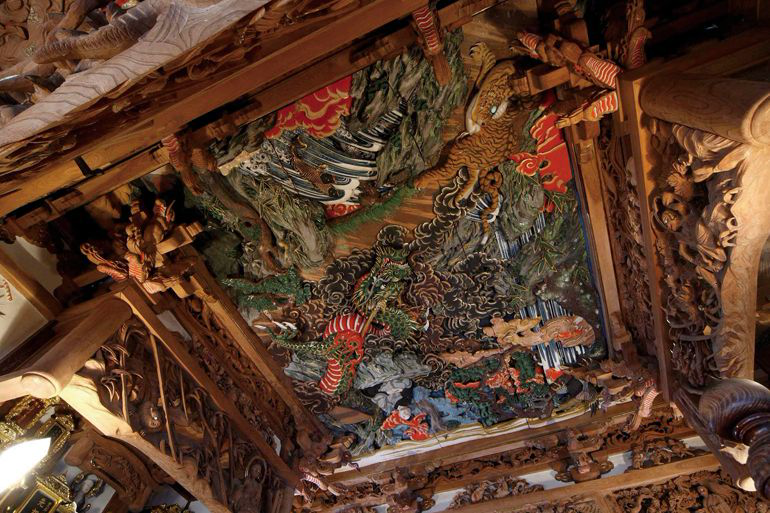
【西福寺開山堂/道元禅師猛虎調伏の図】雲蝶の代表作。虎に襲われそうになった道元禅師を龍神が守ったという物語を表現
The beauty created by these two geniuses, who continue to awe people across generations, is something you should definitely see at least once.
[Modern Beauty] Kyoto State Guest House – A space where Japanese traditional performing arts and culture shine.
In the modern era, Western culture mingled with pre-Edo Japanese culture, leading to the rapid development of a unique culture. The Kyoto State Guest House, designed with the aim of fusing traditional Japanese architecture with modern construction techniques, offers a glimpse into this modern era.

出典:内閣府ホームページ https://www.geihinkan.go.jp/kyoto/
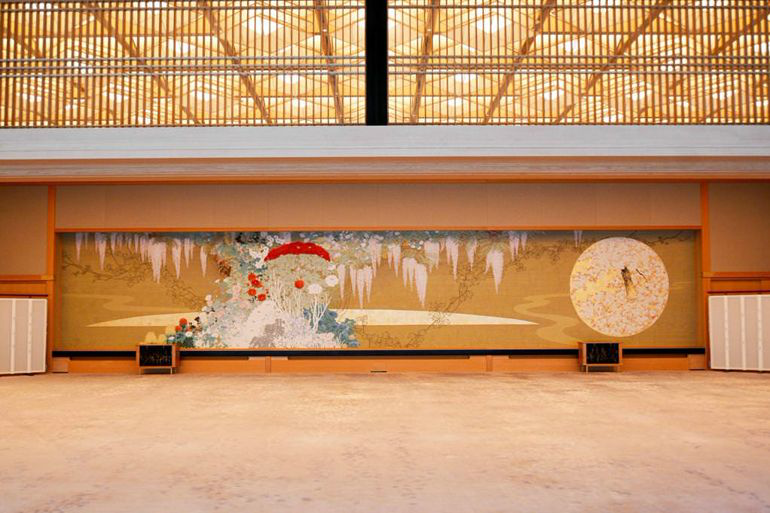
【京都迎賓館/藤の間】細密な綴れ織が華やかな「麗花」が飾られます。床には藤の花が舞い散る緞通(だんつう)が敷かれています
With its irimoya (hip-and-gable roof) and sukiya-style exterior, it has welcomed distinguished guests with an appearance that recreates the breath of inherited culture. In the grand hall 'Fuji no Ma,' named after the wisteria symbolizing 'welcome,' the 'Reika' woven weaving system, featuring 39 types of flowers and flowers based on sketches by Japanese painter Kiyomichi, will lavishly welcome guests. In the 'Evening Shadow Room,' used for tea and other occasions, the weaving 'Hiei Getsuei,' which beautifully depicts the moon illuminating Mount Hiei, is also displayed. With Club Tourism tours, there is no need to make a reservation, and we will guide you to a guided tour.

出典:内閣府ホームページ https://www.geihinkan.go.jp/kyoto/
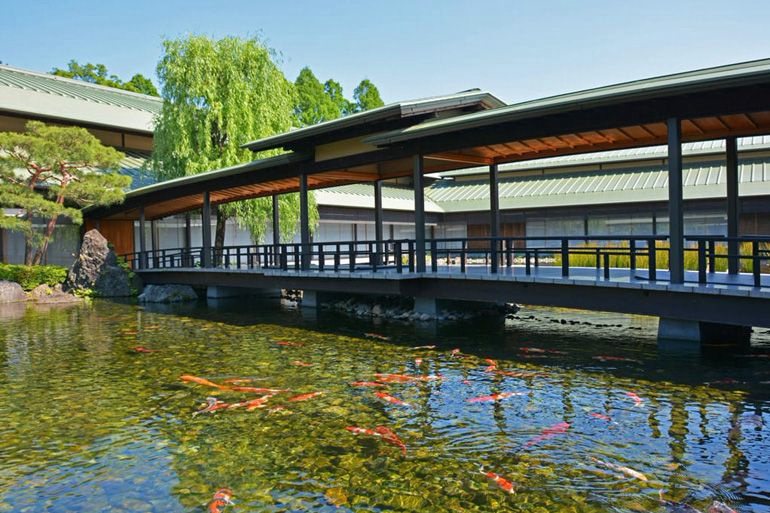
【京都迎賓館/庭園】緑や池が建物にとけ合うように配置されているのは、日本の伝統的な「庭屋一如」の思想
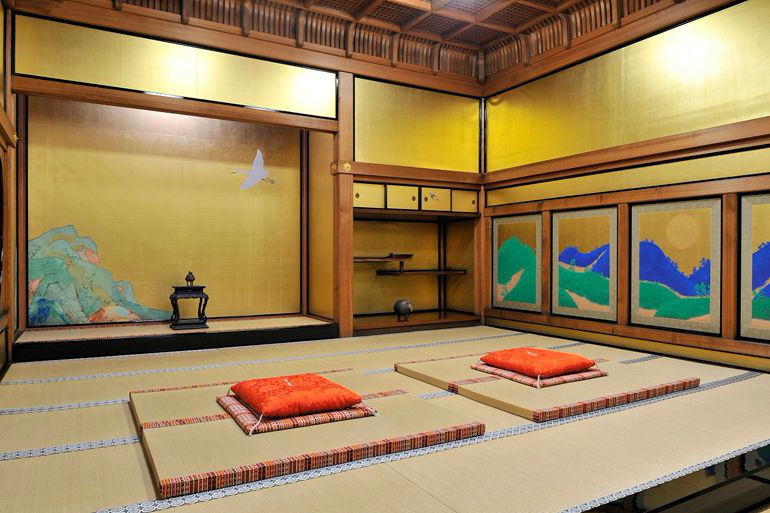
You can also visit Kyoto's representative 'Toji Temple,' and see 'Koshibo,' which is usually closed to the public and features Fusuma paintings inspired by Domoto.

【東寺/小子房】南北朝時代、足利尊氏が光厳上皇を奉じて都入り。その際上皇が御所として利用したと言われます
[The Beauty of the Jomon Period] What was the state of the people's spirit during the approximately 10,000 years of peace?
The Jomon period has been attracting a lot of attention in recent years. This era, which is said to have been remarkably peaceful with little conflict for approximately 10,000 years, offers a glimpse into the spirit of its people through their sense of "beauty."
One of the defining characteristics of the Jomon period is said to be its highly creative spirit. This is evident from the fact that the styles of pottery and clay figurines vary considerably from period to period, and that they reflect the unique sensibilities and imaginations of their creators.

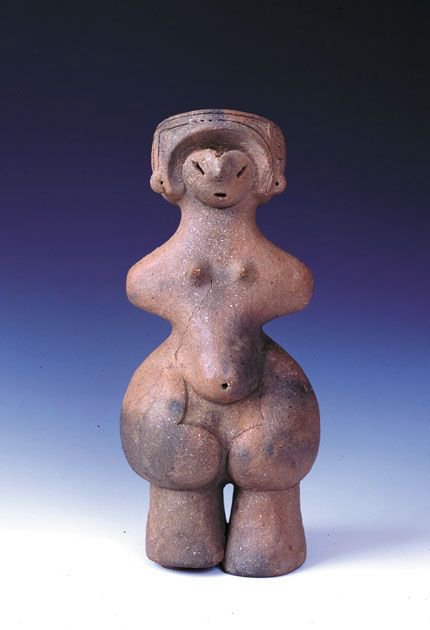
【茅野市尖石縄文考古館/国宝・縄文のビーナス】下方に重心がある安定した立像形土偶。妊婦を表現していると言われています
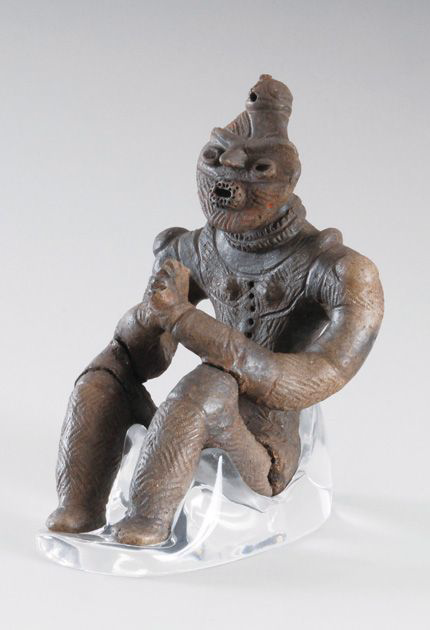
【是川縄文館(八戸市)/国宝・合掌土偶】言葉の通り正面で手のひらを合わせ、ひざを立てて座ったポーズが有名な土偶
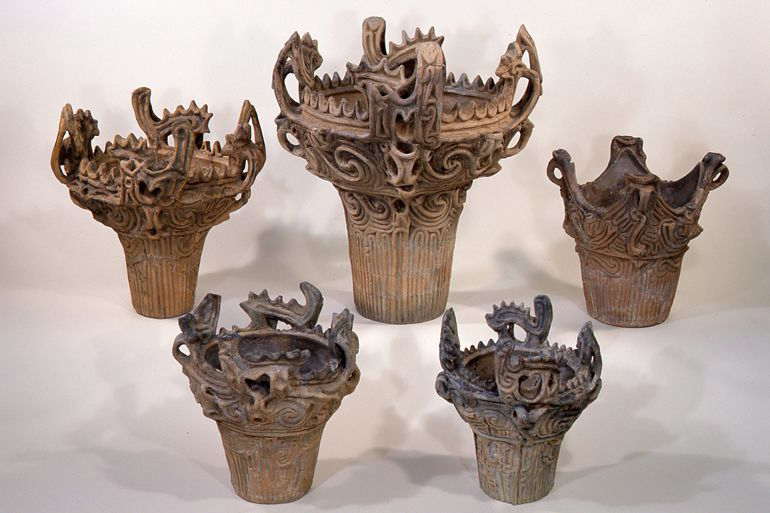
A prime example is the national treasure "Gassho Dogu" (praying clay figurine), believed to have been made approximately 3,500 years ago. Its praying posture is widely believed to represent prayers for fertility and safe childbirth. The "Kaen-gata Doki" (flame-shaped earthenware), believed to have been made approximately 5,000 years ago, is also unique, with a form that evokes a burning flame. It is said that Taro Okamoto was impressed by its artistry.

【十日町市博物館/国宝・火焔型土器】約8千年前に気候変動で世界有数の雪国となった、信濃川の流域で生まれた土器。※国宝「火焔型土器」は14点あり、時期により展示される土器が変わります
Many Jomon ruins remain in areas like Kita Tohoku, Nagano, and Niigata, where it's comfortable to spend early summer. With Club Tourism tours, you can deepen your knowledge of history and culture in the same area accompanied by a guide knowledgeable about history, regardless of your interest in history or culture.