



A journey to unravel the mysteries of ancient Japanese history and its people.

公開日 / 2026.03.18更新日 / 2026.03.18

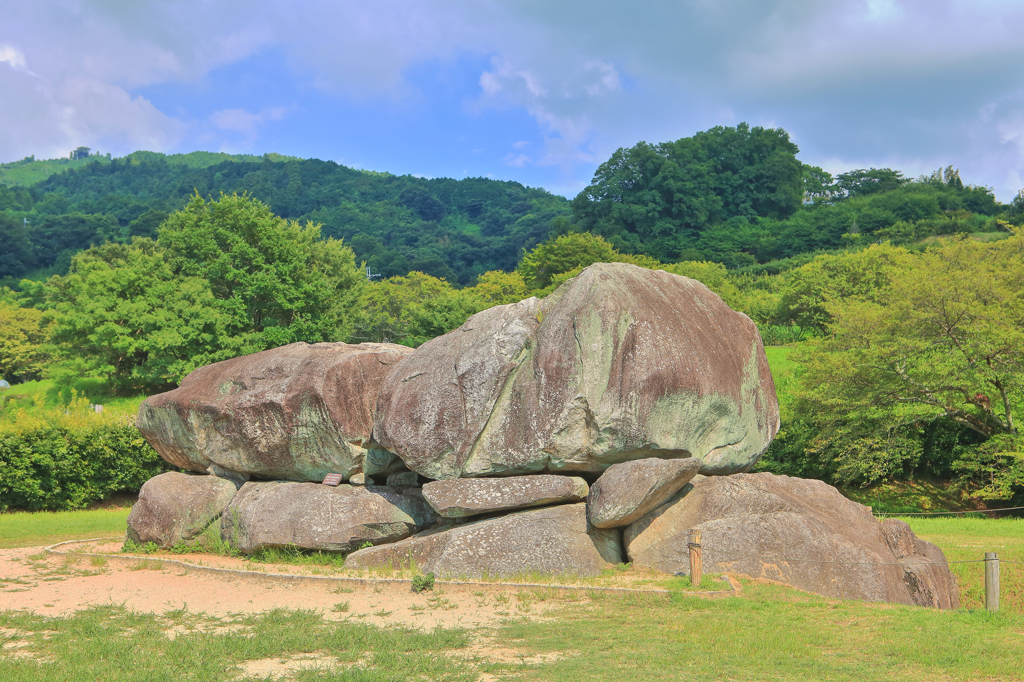
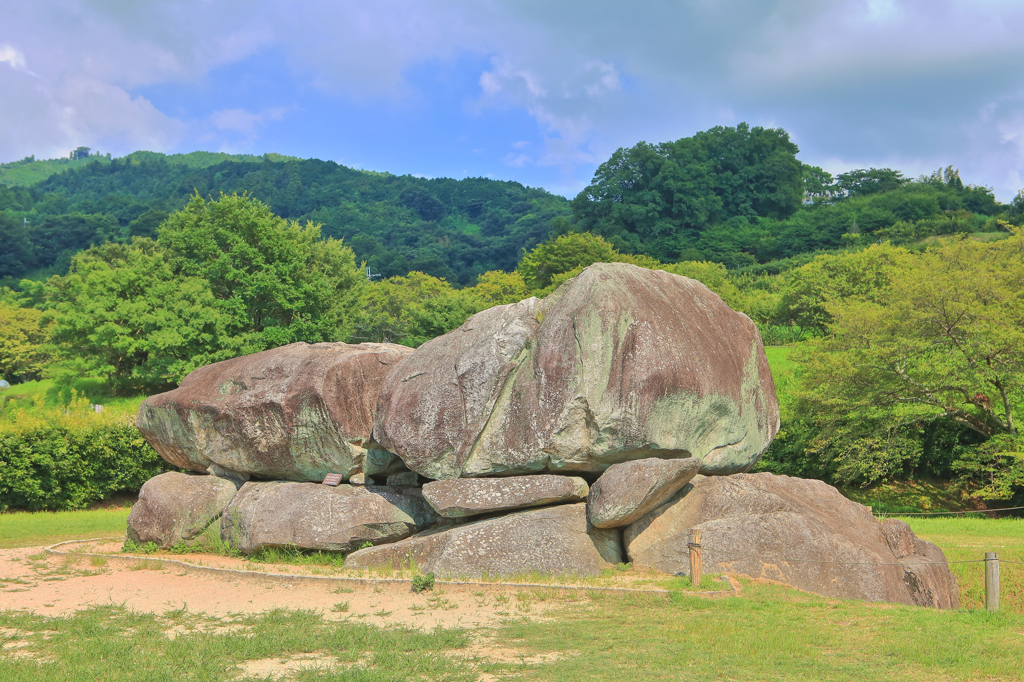
日本最大級の石室、石舞台古墳。天井石の上面が平らなことにちなんで、石舞台と言われる

There are many mysteries that have not been solved, and new discoveries are ancient history that tickles the hearts of history buffs. We will walk through the "Sannai-Maruyama Ruins" to learn about the roots of Japanese culture, the "Sannai-Maruyama Ruins", the "Yoshino Gari Ruins" that make you think about Yamatai Province, and the "Asuka and Ikarugato" that approaches the life of Prince Shotoku. Embark on an ancient romantic journey through celebrities and places that were "even in textbooks!"

Tracing the life of the enigmatic saint, Prince Shōtoku / [Asuka Period] Asuka and Ikaruga

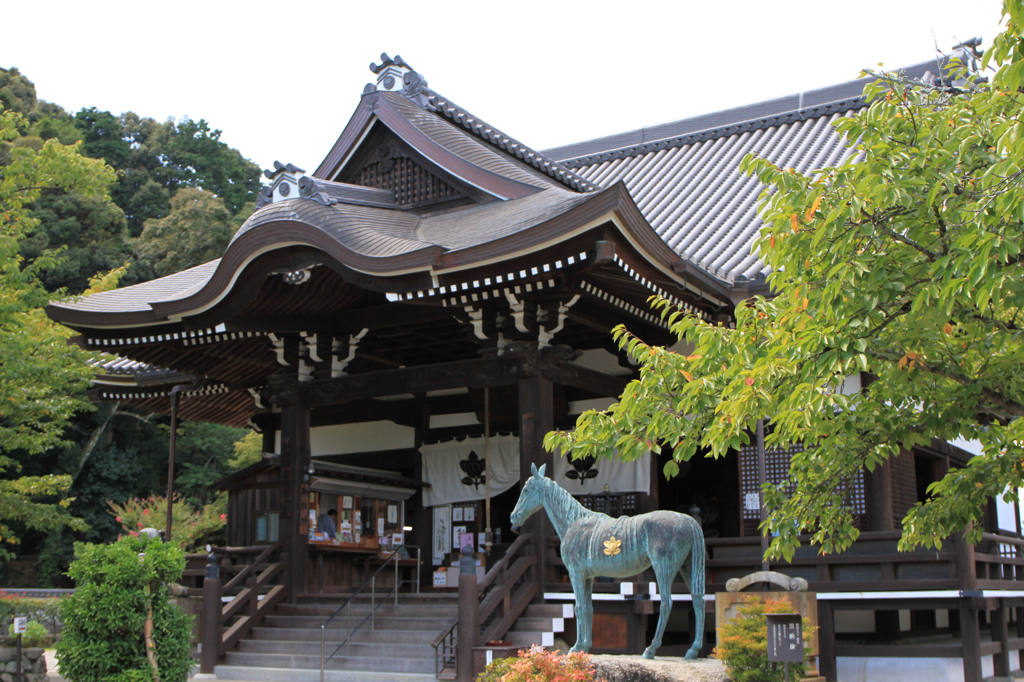
聖徳太子生誕の地・橘寺

The Asuka period was the time when Buddhism spread and nation-building centered on the emperor was promoted. Speaking of a representative figure of this era, it is Prince Shotoku, who has many anecdotes.

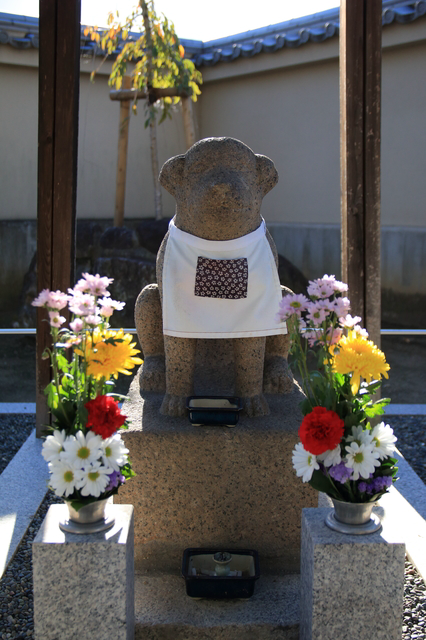
Asuka Village, Nara Prefecture, which has a deep connection with the prince, is dotted with ancient tombs from the Asuka period. Among them, the Ishidai Kofun, which is piled up with more than 30 megaliths, invites the viewer to the ancient world with overwhelming power. The tour will visit nine places, including Tachibana Temple, which is said to be the birthplace of the prince, Horyuji Temple (Ikaruga Town, Nara Prefecture), a World Cultural Heritage Site that is said to have been founded by the prince and is known as the world's oldest existing wooden building, Darumaji Temple (Darumaji, Nara Prefecture, Oji Town), where the prince's dog is said to have been his beloved dog, and Eifukuji Temple (Eifukuji, Osaka Prefecture), where the prince's grave is located.

聖徳太子の愛犬として伝承される「雪丸」の石像(達磨寺境内)

A journey exploring the anecdotes and mysteries surrounding a single saint, while visiting places associated with him, is profound and will stimulate your intellectual curiosity, making you want to learn more. The ruins of the Asuka-Fujiwara Palace are aiming for World Heritage status in 2026, so now is the perfect time to explore them at a leisurely pace.

日本最大級の石室、石舞台古墳。天井石の上面が平らなことにちなんで、石舞台と言われる

While imagining the character of the Crown Prince

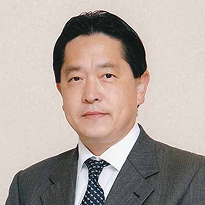
Jun Matsubara, Nara Tourism Concierge

聖徳太子の生涯をテーマにしたツアーですので、それぞれの見学地で聖徳太子と関連付けてご案内します。その上で生誕の地とされる橘寺、母・妃とともに太子が眠る叡福寺は見逃がせません。法隆寺は訪れたことのある方も多いと思いますが、太子をテーマに巡ると「太子信仰」を感じるスポットが多く、歴史の深さに圧倒されます。ツアーの中で太子の人物像を探っていくのがオススメの楽しみ方です。

Where is Yamatai Province? Approaching the Mystery of Queen Himiko / [Yayoi Period] Yoshino Keri Ruins

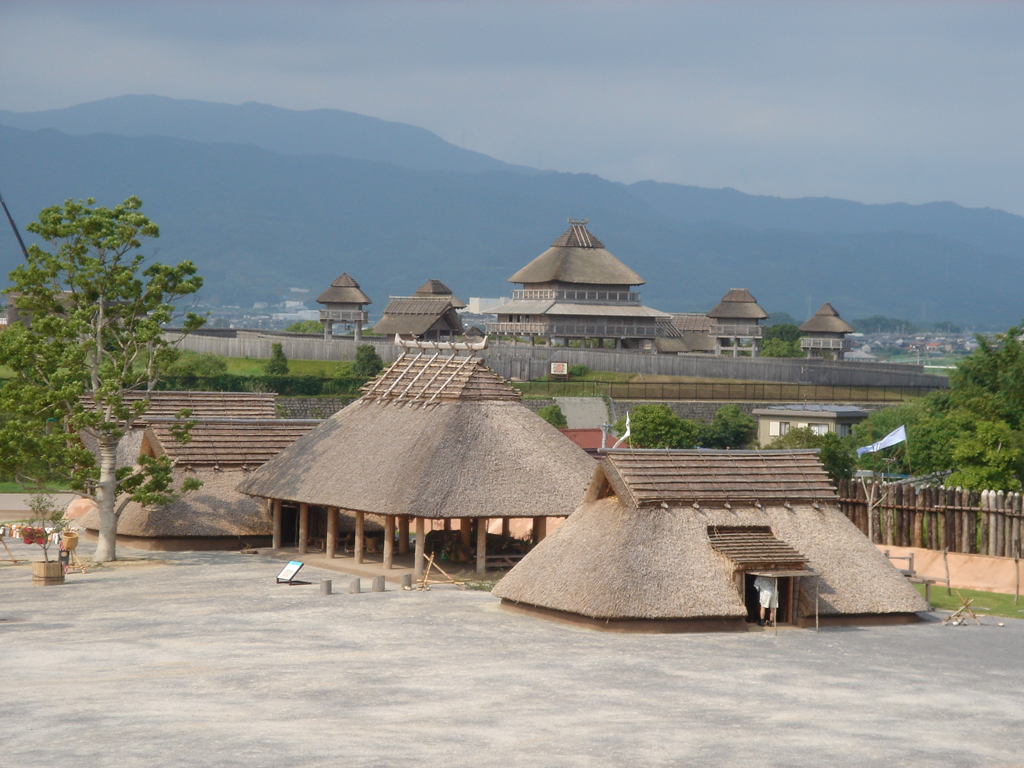
弥生時代の移り変わりを知ることができる吉野ヶ里遺跡=写真提供:佐賀県観光連盟

The Yayoi period was established as a settled culture and rice cultivation. One of the largest ruins in Japan as a settlement site from the Yayoi period is the Yoshino Gari Ruins in Saga Prefecture.

Remains and artifacts from all periods of this period, which lasted for about 700 years, have been excavated, and have attracted attention as important archaeological sites for unraveling Japan's ancient history. Many of the decorative burial mounds in northern Kyushu are decorated with patterns such as circles and triangles, but the Takehara burial mounds in Fukuoka Prefecture depict realistic motifs such as animals and people.

While many decorative burial mounds are not open to the public, the Takehara burial mound allows you to see the murals through the glass, allowing you to directly feel the ancient worldview and breath. "Where was Yamatai Province?" and "Where was Queen Himiko?" Why not approach the mysteries of ancient history that have not yet been solved, and let your imagination run wild as you visit the ruins and burial mounds.

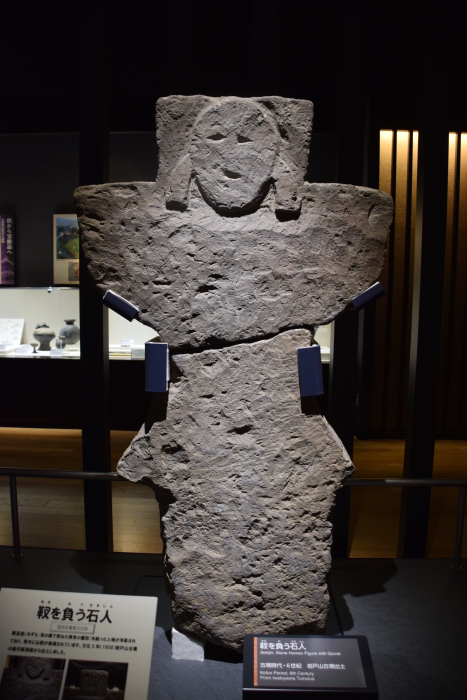
岩戸山古墳で出土・九州独特の「石人」=写真提供:八女市教育委員会

Embark on a journey filled with the allure of ancient times.

Naotsugu Kuroda, Representative Auditor of the Japan Heritage Promotion Association and Member of the Japan Travel Writers Association

このツアーには、古代史の魅力が凝縮されています。特に吉野ヶ里遺跡は『魏志倭人伝』に登場する邪馬台国を連想させてくれるだけではなく、縄文時代の小さなムラから大きなクニへ発展を遂げていくという国家形成の流れを感じることができます。
そして古代の手工業生産、階層分化、戦い、祭祀(さいし)、あるいは地域・国際交流など、歴史ファンには興味深い多くの情報に触れることができます。

The rich life of a large settlement: Unraveling the romantic mysteries of the Jomon period / [Jomon period] Sannai-Maruyama Site

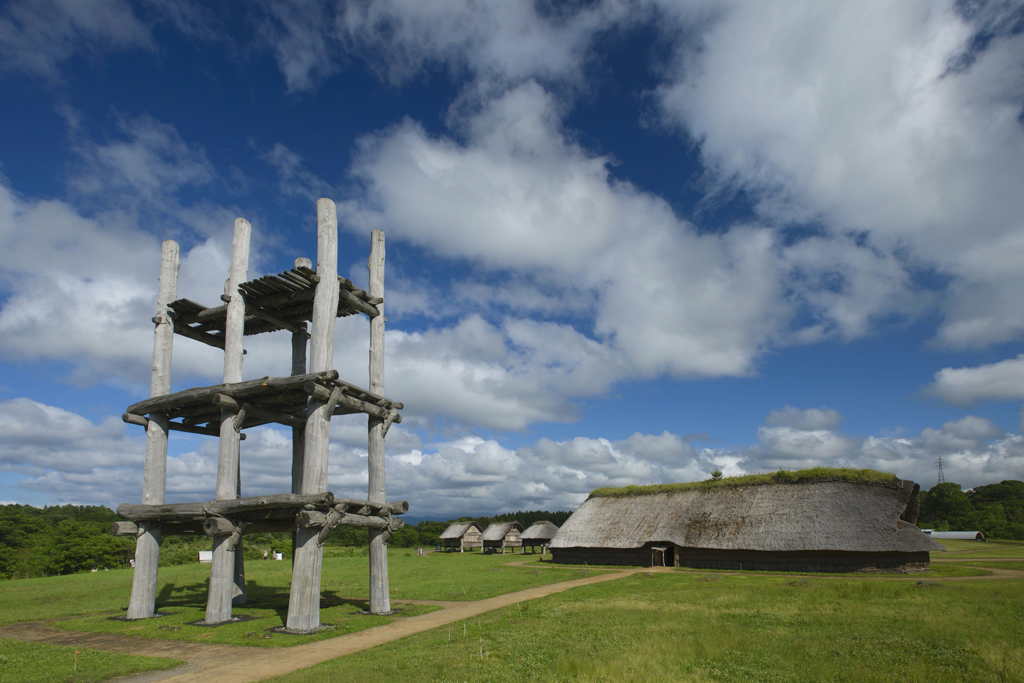
縄文時代の「ムラ」を体験できる三内丸山遺跡

In recognition of the importance of heritage that conveys the lives and spiritual culture of the people of the Jomon period, the Jomon Ruins of Hokkaido and Northern Tohoku are registered as World Heritage Sites. Among them, the Sannai-Maruyama ruins in Aomori Prefecture are widely regarded as one of the largest Jomon settlement sites in Japan.

The restored large excavated pillar building, which can be said to be a symbol of the ruins, is surprising at the high level of construction technology at the time due to its non-standard scale, but its use has not been clarified due to various theories such as temples, observation towers, and monuments.

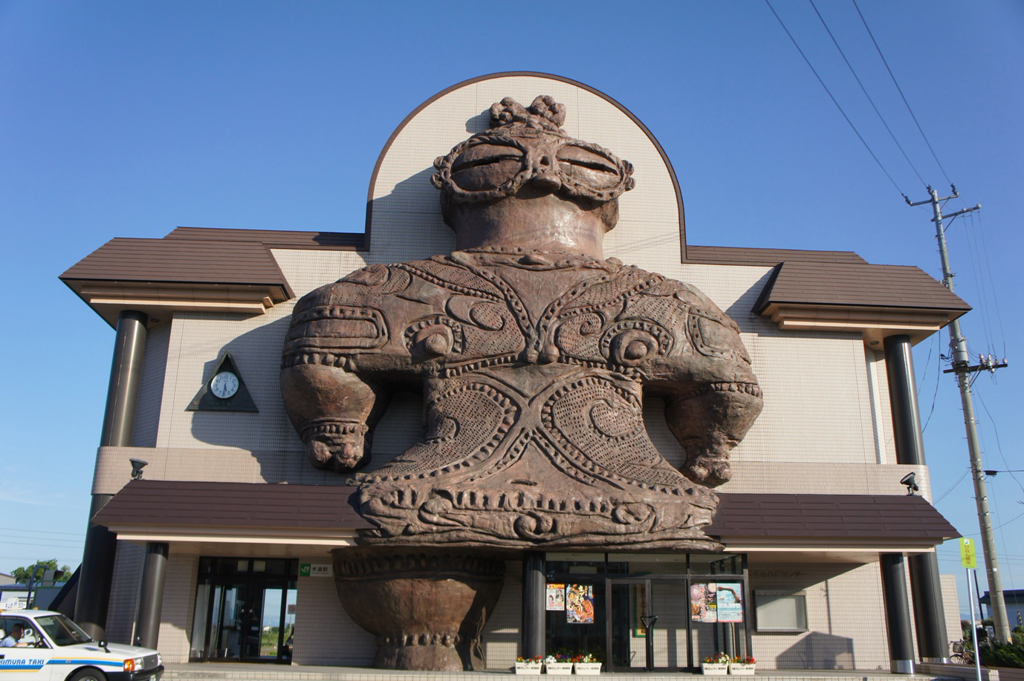
遮光器土偶のオブジェがあるJ R五能線木造駅の駅舎

The people who lived at Sannai-Maruyama are said to have made the most of the abundant natural resources, engaging in hunting, cultivating crops such as legumes, and even brewing alcohol. However, in the late Jomon period, the people abandoned their settlement and declined. Excavations at the Sannai-Maruyama site continue to this day, and we can look forward to new discoveries and the unraveling of mysteries.

I want you to experience the long and rich history.

Archaeologist Takashi Kimura

興味深いのは遺跡内で確認された盛土(もりど)です。土器が長年にわたって捨てられ、小山になったものですが、土器に混ざって土偶やヒスイの首飾りなども出土し、単なるゴミ捨て場ではないとわかりました。縄文人は捨てるという行為に感謝を込めていたのではないかと推測されており、生きるためにお世話になったものに感謝する心は、持続可能な社会の実現のための手本になるという意味でも貴重です。